

An overheating engine isn’t just an inconvenience — continued driving can warp cylinder heads and destroy your engine. This guide walks through the symptoms that signal overheating, the diagnostic steps you can safely perform at home, and the clear boundary where professional inspection becomes necessary.
Overheating has multiple causes: coolant leaks, water pump failure, stuck thermostats, radiator blockage, or a faulty temperature sensor triggering false alarms. You’ll learn to identify which symptoms point to actual danger versus sensor malfunction, and understand the real cost ranges for each repair scenario.
What you’ll need
Tools:
- OBD-II code reader (optional but recommended, $20–$100)
- Flashlight
- Clean rags or paper towels
- Eye protection and gloves (coolant is toxic)
Materials:
- Coolant matching your vehicle’s spec if topping up ($15–$30 per gallon, pricing varies by brand and type)
Prerequisites:
- Ability to safely pull over and wait for engine to cool
- Basic knowledge of where to locate your coolant expansion tank (check owner’s manual)
- Patience — never rush diagnosis on a hot engine
Before you start
Safety warnings:
-
Never open the radiator cap, expansion tank, or any cooling system component when the engine is hot or running. Pressurized coolant reaches 250–275°F and causes severe scalding. Wait at least 15 minutes after engine shutdown, then place a thick towel over the cap and turn slowly to release pressure.
-
Coolant (ethylene glycol) is toxic to humans, pets, and children. Wear gloves and eye protection. Clean up spills immediately. If ingested, contact Poison Control.
-
If you see steam or the temperature gauge enters the red zone above 220°F, pull over immediately and shut off the engine. Continued driving risks catastrophic engine failure. Do not attempt to “make it home” — call for a tow.
-
Overheating diagnosis is not the same as overheating repair. This guide covers safe at-home diagnosis only. Most root causes require professional tools (pressure testing, scan tools, visual inspection with the engine disassembled). Know the boundary.
Step 1: Recognize the warning signs
Your first job is identifying whether overheating is actually happening or if a sensor is giving you false data.
Temperature gauge in the red zone (above 220°F): Normal operating range for most vehicles is 180–210°F (source: EPA Fuel Economy Guide, OEM service manuals). If the needle climbs past 220°F or enters a red-marked zone, you have either actual overheating or a coolant temperature sensor fault.
Steam from under the hood or tailpipe: Coolant has reached its boiling point. Steam from the hood means external boil-over. Steam from the tailpipe suggests coolant entering the combustion chamber — a sign of head gasket failure.
Sweet smell and puddles under the car: Coolant smells distinctly sweet due to ethylene glycol. Puddles in green, pink, orange, or blue (dyes vary by manufacturer) indicate an external leak. Check your usual parking spots.
Check Engine light with codes P0118, P0119, P0125, or P0128: These codes indicate coolant temperature sensor malfunction (P0118/P0119) or thermostat issues (P0125/P0128). The engine may be operating normally; the sensor is reporting false data (source: SAE J2012 OBD-II standards).
Rough idle or knocking sounds: Overheating causes pre-ignition, where fuel ignites before the spark plug fires. This produces knocking or pinging and indicates the engine is running too hot.
If you see steam or the gauge is pegged in the red, stop driving immediately. Pull over safely, shut off the engine, and do not open the hood until it cools for at least 15 minutes.
Step 2: Check coolant level (engine cold only)
Once the engine cools to ambient temperature — ideally after sitting overnight — you can safely check coolant level.
Locate the coolant expansion tank, usually a translucent plastic reservoir near the radiator with MIN and MAX lines. On some vehicles, the overflow tank is separate from the radiator; consult your owner’s manual if unsure.
With the engine cold, coolant should sit between the MIN and MAX marks. If it’s below MIN, you have either a leak or the system was never filled properly.
Do not open the radiator cap itself unless your owner’s manual specifically instructs you to check level there. Most modern vehicles use the expansion tank for level checks.
If coolant is low, top it up with the correct coolant type for your vehicle. Standard green coolant (older-spec) requires service every ~30,000 miles. Extended-life coolants (orange, pink, blue) are rated for 100,000+ miles. Mixing types reduces corrosion protection — match your OEM spec (source: manufacturer maintenance schedules).
After topping up, start the engine and watch the temperature gauge. If it climbs back into the red or coolant level drops again within a few days, you have a leak requiring professional diagnosis.
Step 3: Inspect for external leaks

External leaks are easier to diagnose than internal ones. With the engine cool and hood open, visually inspect:
Hoses: Rubber coolant hoses crack and degrade over time, typically lasting 5 years or 60,000 miles (source: OEM maintenance schedules). Look for cracks, bulges, or wet spots. Squeeze hoses gently — they should feel firm, not squishy or rock-hard.
Radiator seams and connections: Check where hoses connect to the radiator. White crusty deposits indicate dried coolant residue from slow leaks.
Water pump: The water pump sits at the front of the engine, usually below the radiator. Look for coolant dripping from the pump housing or from a small weep hole on the pump body. The weep hole alerts you when the internal seal begins to fail. Continuous dripping means the pump is near failure.
Ground under the car: After parking several hours, check for puddles. Coolant puddles are distinctly colored (green, pink, orange, blue) and feel slippery.
If you find a leak, note its location. Small hose or clamp failures cost $50–$150. Radiator replacement runs $300–$900. Water pump replacement typically costs $300–$800, but can exceed $1,200 on vehicles where the pump sits behind the timing belt (source: RepairPal, YourMechanic).
Step 4: Listen and observe while running (from outside the vehicle)
With the engine cold, start it and let it idle. Stand near the front of the vehicle (hood open, safe distance from moving parts) and observe:
Radiator cooling fans: When the engine reaches operating temperature (typically 3–5 minutes of idling), the radiator fans should spin or activate. If they don’t, the fan relay, fan motor, or thermostat may have failed. Do not touch the fans while the engine runs.
Coolant bubbling or gurgling: Listen near the expansion tank. Some gurgling is normal as air purges. Vigorous bubbling or hissing suggests coolant is boiling (actual overheating) or air is trapped in the system (often from a leak or incorrect coolant service).
Temperature gauge behavior: Watch the gauge. It should rise steadily to the normal range and stay there. If it spikes into the red or fluctuates wildly, you likely have a stuck thermostat, failing water pump, or sensor fault.
If the temperature climbs into the red again, shut off the engine immediately. Do not let it continue to overheat.
Step 5: Scan for diagnostic trouble codes (if equipped with OBD-II reader)
If you have an OBD-II reader, plug it into the diagnostic port (usually under the driver’s side dashboard) and scan for codes.
P0118 or P0119: Coolant temperature sensor circuit malfunction. The sensor reads out of range. The engine may be operating normally; you’re getting bad data. Sensor replacement typically costs $150–$250 plus labor (source: YourMechanic).
P0125 or P0128: Thermostat malfunction. P0125 means the coolant never reaches operating temperature (thermostat stuck open). P0128 means it doesn’t close properly. Thermostat replacement runs $150–$300 including parts and labor (source: RepairPal).
If you see these codes and the temperature gauge behaves normally with no steam or coolant loss, the issue is likely the sensor or thermostat, not actual overheating. Still get it diagnosed — you can’t drive safely without accurate temperature feedback.
If there are no codes but you’re experiencing overheating symptoms, the problem is likely mechanical: coolant leak, water pump failure, or radiator blockage. Proceed to professional diagnosis.
Verify it worked
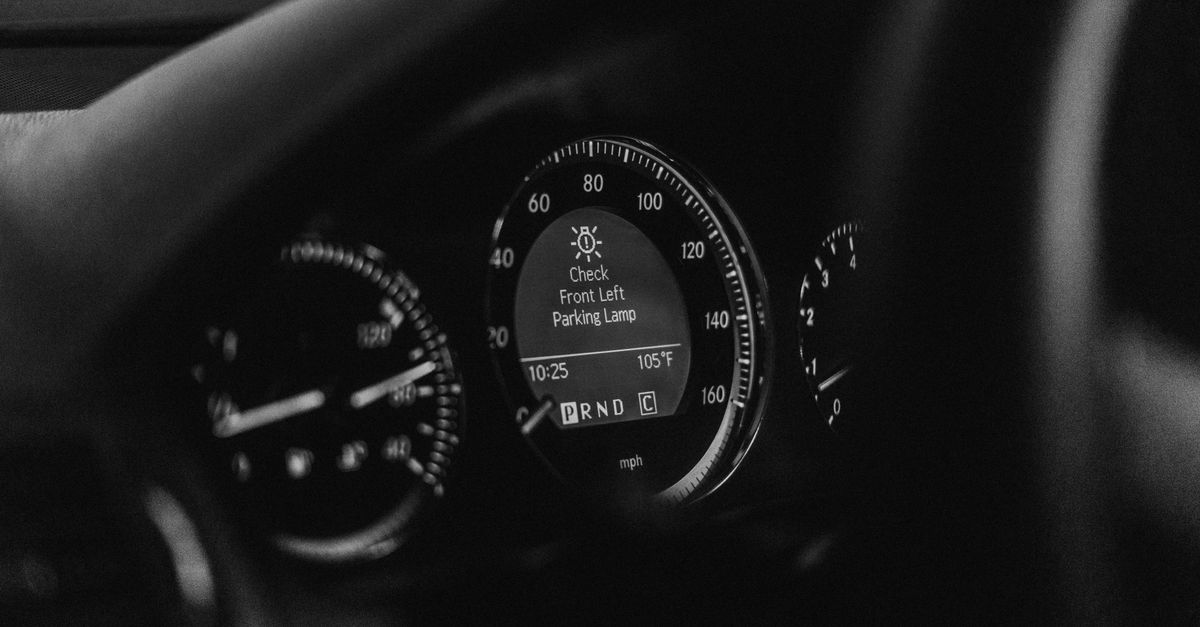
After topping up coolant or identifying a sensor fault via code scan, test-drive in a safe area (not on a highway).
Monitor the temperature gauge. It should rise to normal range and stay there, even during stop-and-go driving or mild acceleration. If it climbs back into the red, stop immediately and seek professional help.
Check coolant level again after the engine cools. If it has dropped, you have a leak. Do not keep topping up and driving — internal leaks or hidden external leaks will worsen.
Troubleshooting common issues
Problem: Temperature gauge spikes, then drops back to normal
Cause: Air trapped in the cooling system (from recent coolant service or a small leak drawing air in) or a thermostat opening/closing erratically as it fails.
Fix: Have a mechanic bleed the cooling system using a vacuum-fill tool. Erratic thermostats must be replaced ($150–$300).
Problem: Coolant level keeps dropping but no visible puddles
Cause: Internal leak. Coolant may be leaking into the combustion chamber (head gasket failure) or into the transmission (on automatics via the transmission cooler).
Fix: Check the oil dipstick. If the oil looks milky or frothy, coolant is mixing with oil — a classic head gasket symptom. Check the transmission fluid dipstick (automatics). If it’s pink and creamy instead of clear red, coolant has contaminated the transmission. Both scenarios require immediate professional repair. Head gasket replacement costs $1,000–$3,000+; transmission cooler line repair is $200–$600 (source: AAA, RepairPal).
Problem: Overheating only in traffic or at idle, not on the highway
Cause: Radiator cooling fans not working. Highway speeds provide airflow through the radiator. At idle, you rely entirely on the fans.
Fix: Fan motor, relay, or temperature switch replacement. Typical cost $200–$500 depending on the vehicle (source: YourMechanic).
Problem: Sweet smell but no visible leak and coolant level is stable
Cause: Very small external leak that evaporates before dripping, or a heater core leak inside the cabin. Heater core leaks often produce sweet smell inside the car and windshield fogging.
Fix: Heater core replacement is labor-intensive (dashboard removal on most vehicles). Cost ranges $500–$1,500+ (source: RepairPal).
When to call a professional
You’ve reached the limit of safe DIY diagnosis if:
-
Steam persists or overheating happens repeatedly after topping up coolant. This indicates a leak or mechanical failure (water pump, head gasket, radiator blockage) requiring pressure testing and hands-on inspection.
-
Coolant level drops but you can’t find the leak. Internal leaks require pressure testing or combustion gas testing (checks for exhaust gases in coolant, a head gasket failure indicator).
-
Multiple trouble codes appear, suggesting a complex failure rather than a single sensor fault.
-
Temperature gauge continues to spike even after the radiator fans engage. This points to a stuck thermostat, clogged radiator, or water pump failure.
-
You’re not comfortable working around a hot engine or handling toxic coolant. There’s no shame in calling a pro. Overheating is high-risk; mistakes lead to scalding or engine damage.
Diagnostic fees typically run $100–$150 and include a scan, visual inspection, and pressure test (source: industry standard labor rates). That fee is almost always applied toward the repair cost.
Understanding coolant leaks and water pump failure
Since coolant leaks and water pump failure are the two most common causes of overheating, here’s what you need to know about each.
Coolant leaks
External leaks show up as puddles, wet hoses, or crusty white deposits. Common failure points:
- Hoses and clamps: Hoses crack after 5+ years. Clamps loosen. Replacement cost: $50–$150.
- Radiator seams: Plastic end-tanks on modern radiators crack over time. Radiator replacement: $300–$900.
- Water pump seals: The pump has a weep hole designed to drip when the seal wears. Continuous dripping means imminent failure.
Internal leaks are harder to spot and more expensive to fix:
- Head gasket failure: Coolant enters the combustion chamber. Symptoms: white steam from tailpipe, milky oil, coolant loss with no external puddles. Repair cost: $1,000–$3,000+ for a 4-cylinder; $2,500–$4,500+ for V6/V8 engines (source: YourMechanic, AAA).
- Transmission cooler leak (automatic transmissions): Coolant mixes with transmission fluid. Check the trans fluid dipstick — if it’s pink and creamy instead of clear red, you have cross-contamination. Repair: $200–$600.
Water pump failure
Water pumps circulate coolant through the engine and radiator. They spin constantly while the engine runs. Typical lifespan: 150,000 miles or 10+ years (source: ASE maintenance bulletins, Edmunds).
Signs of water pump failure:
- Coolant leaking from the pump housing or weep hole
- High-pitched whining or grinding noise from the front of the engine (bearing wear)
- Overheating despite normal coolant level (pump isn’t circulating)
- Engine stalling at idle after overheating (pump cavitation — vapor bubbles form and collapse, eroding the impeller)
Replacement cost: $300–$800 for most vehicles. Luxury or sports cars with the pump behind the timing belt can exceed $1,200 due to labor. If the pump fails near the timing belt’s replacement interval (often 90,000–100,000 miles), many mechanics recommend replacing both at once to save labor (source: OEM service schedules, RepairPal).
Water pumps cannot be repaired — only replaced. Old coolant accelerates pump failure through corrosion and mineral buildup. Following the OEM’s coolant flush interval (typically every 30,000–100,000 miles depending on coolant type) extends pump life.
FAQ
What does a car overheating smell like?
A sweet smell indicates a coolant leak (ethylene glycol smells distinctly sweet and is toxic). A burnt smell suggests oil or transmission fluid burning on hot engine parts. A rotten-egg smell points to catalytic converter issues, sometimes triggered by extreme overheating. If you smell any of these, pull over and inspect.
Can I drive a car with an overheating engine?
No. Continued driving risks warping the cylinder head, blowing the head gasket, or seizing the engine. Repairs cost $1,000–$5,000+. If the temperature gauge enters the red zone or you see steam, pull over immediately and call for a tow.
How much does it cost to fix an overheating car?
It depends entirely on the cause. Coolant top-up or hose replacement: $50–$150. Thermostat replacement: $150–$300. Water pump replacement: $300–$800. Radiator replacement: $300–$900. Head gasket replacement: $1,000–$3,000+. You won’t know the real cost until a mechanic diagnoses the root cause (source: RepairPal, YourMechanic).
What is the most common cause of engine overheating?
Coolant loss (from leaks or boil-over) and thermostat malfunction are the two most frequent culprits, based on NHTSA complaint data and repair shop records. Water pump failure is also common on vehicles with 100,000+ miles or 7+ years of age. Sensor faults (false alarms) are less common but easy to diagnose with an OBD-II reader.
Why is my temperature gauge jumping?
A fluctuating gauge typically indicates low coolant level (air pockets), a failing coolant temperature sensor, or a thermostat sticking open and closed. Top up the coolant first (when cold). If the gauge still jumps, scan for codes. P0118/P0119 point to the sensor; P0125/P0128 point to the thermostat.
Overheating is one failure you can’t ignore. The symptoms — gauge in the red, steam, sweet smell, coolant loss — tell you where to start. Most root causes require a mechanic’s pressure test and hands-on inspection. Know the boundary between safe DIY diagnosis and the point where you call a pro, and you’ll avoid turning a $300 thermostat job into a $3,000 head gasket disaster.
For related troubleshooting, see if you’ve confirmed a stuck thermostat, for preventive cooling system maintenance, if you suspect internal coolant contamination, or .
General information, not professional mechanical or financial advice. Overheating causes and repair costs vary by vehicle make, model, age, mileage, and driving conditions. Always consult a certified mechanic and your vehicle’s owner’s manual for diagnosis and repair. Continued driving with an overheating engine causes severe and irreversible engine damage. When in doubt, stop and seek professional help.