

The real question isn’t whether diesel is cheaper to maintain—it’s whether your driving pattern makes diesel worth the complexity. The answer comes down to annual mileage and how much of it is highway.
Quick verdict:
- Diesel makes economic sense if you drive 15,000+ miles per year with at least 70% highway driving—but only if you’re prepared for higher routine costs and occasional expensive emission system repairs.
- Gasoline wins for city/suburban driving, short trips, and annual mileage under 15,000 miles. Lower routine maintenance, simpler systems, cheaper when things break.
At a glance
| Factor | Diesel | Gasoline | Notes |
|---|---|---|---|
| Annual maintenance (12k mi/yr) | $550–$750 | $400–$550 | Diesel: larger fluid volumes, fuel-system service |
| Oil change cost | $75–$120 | $50–$80 | Diesel holds 10–15 quarts vs. 5–8 in gas |
| Oil change interval | 7,500–15,000 mi | 5,000–10,000 mi | Diesel often longer but more expensive |
| Emission system risk | High (DPF, SCR, EGR) | Moderate | DPF failure: $1,200–$2,500; SCR: $1,500–$3,000 |
| Fuel cost per mile (truck, 2026) | $0.15–$0.18 | $0.12–$0.16 | Based on EPA fueleconomy.gov; diesel fuel typically $0.20–$0.40/gal more |
| Engine lifespan | 250,000–350,000+ mi | 150,000–250,000 mi | Diesel heavier-duty construction, typical longevity with maintenance |
| Best for | High-mileage highway drivers | City/suburban, low-mileage drivers | Driving pattern is the #1 deciding factor |
| Biggest downside | Emission system failures, fewer repair shops | Shorter engine life, less resale value | Diesel complexity vs. gasoline simplicity |
Cost figures based on 2024–2025 manufacturer specifications, EPA data, and industry-average labor rates. Prices vary significantly by region, dealer, and service provider.
Diesel — best for highway-heavy, high-mileage drivers
Diesel engines are built heavier-duty and last longer, but modern emission controls add cost and complexity that most comparison articles skip. If you’re driving 20,000+ miles per year on mostly highway, diesel can pay for itself through fuel savings and engine durability. Below that threshold, you’re paying a premium for longevity you won’t use.
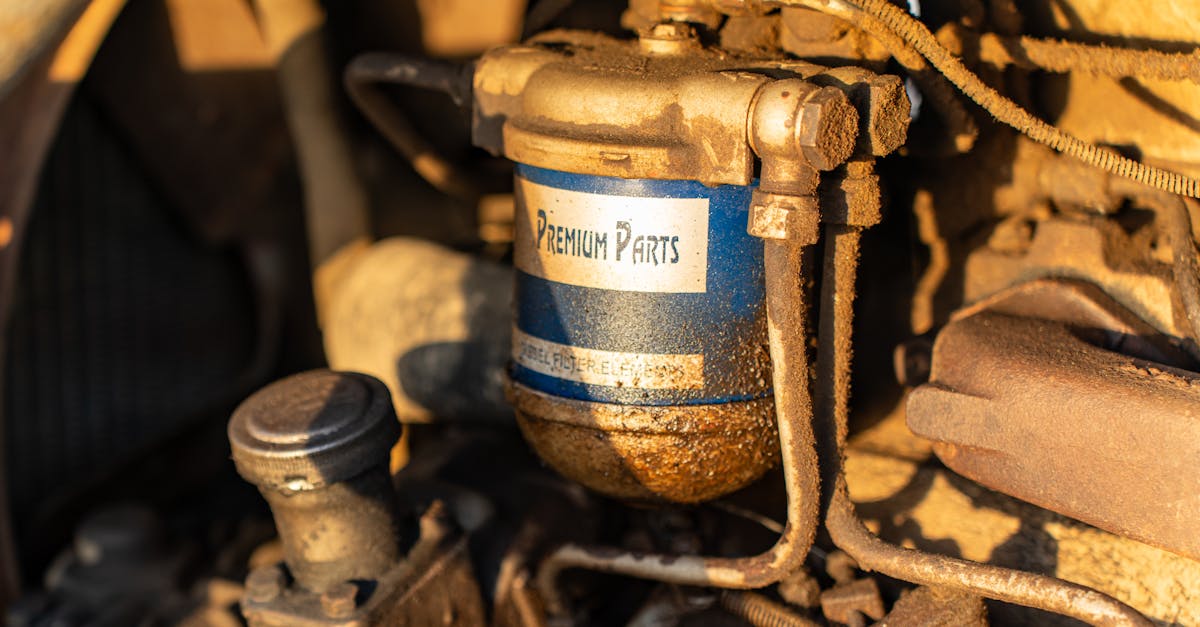
Routine maintenance runs 20–30% higher than gasoline. Oil changes cost $75–$120 (vs. $50–$80 for gas) because diesels hold 10–15 quarts of heavier-grade oil. Fuel filters and water separators need service every 15,000–20,000 miles at $80–$150 per visit—gasoline engines don’t have a water separator. Glow plugs (diesel’s version of spark plugs) last longer but cost $300–$800 to replace as a set around 80,000–100,000 miles.
The real wild card is emission systems. Diesel particulate filters (DPF) capture soot and regenerate by burning it off during highway driving. If you’re doing short trips or city driving, the DPF doesn’t get hot enough to regenerate, and it clogs. Replacement runs $1,200–$2,500. Selective catalytic reduction (SCR) systems inject urea fluid (AdBlue) to cut nitrogen oxide emissions—refills cost $30–$60 every 10,000–30,000 miles, and the SCR catalyst itself can fail at $1,500–$3,000. EGR valves (exhaust gas recirculation) clog faster in diesels due to soot buildup; replacement is $500–$1,500. One emission system failure erases years of fuel savings.
According to EPA fueleconomy.gov data on 2024–2025 diesel trucks like the Ford F-250 Super Duty 6.7L Power Stroke, you’ll see 18–22 mpg highway at a fuel cost around $0.15–$0.18 per mile. Gasoline trucks like the F-150 EcoBoost get 20–24 mpg highway at $0.12–$0.16 per mile. The fuel-cost advantage narrows, especially when diesel fuel prices spike.
Strengths:
- Engine blocks last 250,000–350,000+ miles with proper maintenance (heavier casting, more durable)
- Longer oil change intervals (though more expensive per service)
- Better fuel economy on highway driving, especially under load (towing)
- Higher resale value if emission systems are intact
Weaknesses:
- Emission system failures (DPF, SCR, EGR) can cost $1,500–$5,000 per incident
- DPF regeneration issues plague short-trip and city drivers
- Fewer independent shops service diesels; parts availability varies by region
- $3,000–$6,000 upfront premium over equivalent gasoline vehicle
Best for: Drivers covering 15,000–20,000+ miles per year with at least 70% highway driving, especially if towing or hauling regularly. Break-even happens around year 2–3 at that mileage level, according to AAA’s automotive cost studies.
For major engine issues like head gasket failures—potentially more common in high-compression diesels—see our guide on more on head gasket replacement cost and symptoms.
Gasoline — best for city/suburban and lower-mileage drivers
Gasoline engines are simpler, cheaper to maintain, and better suited to stop-and-go driving. You’ll pay less for oil changes, fuel filters, and routine service, and when something breaks, parts and labor cost less. The trade-off is a shorter overall engine lifespan and lower resale value, but if you’re not driving enough miles to reach diesel’s break-even point, those don’t matter.
Routine maintenance runs $400–$550 annually for 12,000 miles per year. Oil changes cost $50–$80 every 5,000–10,000 miles with smaller fluid volumes (5–8 quarts). Spark plugs replace every 30,000–50,000 miles at $100–$300 vs. diesel’s glow plugs at $300–$800. Fuel filters are simpler and cheaper ($30–$100, serviced every 30,000–60,000 miles). No water separator, no AdBlue refills, no DPF regeneration cycles.
Emission systems are still present (catalytic converter, sometimes EGR), but they’re less complex and fail less often than diesel systems. A gasoline EGR valve replacement is the same $500–$1,500 as diesel, but soot buildup happens more slowly. Catalytic converter theft is the bigger risk than failure.
Gasoline engines typically cost less to maintain over a five-year ownership cycle, mainly because you’re not rolling the dice on DPF or SCR failures. Fuel economy is slightly worse—EPA fueleconomy.gov numbers for a 2025 F-150 EcoBoost show 20–24 mpg highway vs. 18–22 mpg for the diesel F-250—but gasoline fuel is cheaper per gallon, so per-mile costs are close.
Gasoline engines typically last 150,000–250,000 miles. That’s less than diesel, but if you’re driving 10,000–12,000 miles per year, you’re looking at 15–20 years of use. Most owners trade or sell long before hitting that limit.
Strengths:
- Lower routine maintenance costs across the board
- Simpler emission systems with fewer expensive failure points
- More repair shops, cheaper parts, faster service availability
- No upfront premium—gasoline is the base engine option
Weaknesses:
- Shorter engine lifespan (150,000–250,000 miles vs. 250,000–350,000+ for diesel)
- Lower resale value, especially in the truck market
- Slightly worse fuel economy on highway, worse when towing heavy loads
- Less torque for hauling and towing compared to diesel
Best for: City and suburban drivers, anyone doing frequent short trips, and drivers covering under 15,000 miles per year. Gasoline wins on simplicity and total cost if you’re not racking up highway miles.
When diesel makes economic sense: the break-even math
The calculus is straightforward: diesel’s $3,000–$6,000 upfront premium plus higher routine maintenance costs need to be offset by fuel savings and longer engine life. That only happens at high annual mileage.
Scenario A: 20,000 annual highway miles
- Diesel: $3,000 upfront premium + $750/yr maintenance + $3,600/yr fuel (at $0.18/mile) = $7,350 first-year cost
- Gasoline: $0 premium + $550/yr maintenance + $3,200/yr fuel (at $0.16/mile) = $3,750 first-year cost
Diesel starts $3,600 behind. Fuel savings of $400/year plus the durability advantage mean you break even around year 8–10 if nothing major breaks. But if you keep the truck to 200,000+ miles, diesel’s longer engine life and higher resale value tip the balance in its favor.
Scenario B: 10,000 annual city/suburban miles
- Diesel: $3,000 premium + $650/yr maintenance + $1,800/yr fuel = $5,450 first-year cost
- Gasoline: $0 premium + $500/yr maintenance + $1,600/yr fuel = $2,100 first-year cost
Diesel starts $3,350 behind and only makes up $50/year in operating costs. You’ll never break even, and DPF regeneration issues will make city driving worse. Gasoline wins decisively.
The crossover point sits around 15,000–18,000 annual miles, depending on your region’s diesel fuel prices and how much highway driving you do. Below that, save yourself the complexity and buy gasoline.
The emission system reality nobody advertises

Pre-2007 diesels were simpler and cheaper to maintain. Modern diesels (2007+) added DPF, EGR, and SCR systems to meet federal emissions standards, and those systems are the reason diesel repairs got expensive.
The DPF traps soot and burns it off during highway driving (passive regeneration). If you’re not driving highway regularly, the DPF forces an active regeneration cycle at idle—less efficient, harder on the system, and prone to failure. Clogged DPFs are the #1 complaint in NHTSA’s complaints database for diesel trucks driven in city conditions. Replacement costs $1,200–$2,500.
SCR systems inject AdBlue (urea fluid) to break down nitrogen oxides. You’ll refill every 10,000–30,000 miles at $30–$60 per fill—not a huge cost, but it’s one more consumable gasoline doesn’t need. When the SCR catalyst fails (and it will eventually), you’re looking at $1,500–$3,000.
EGR valves recirculate exhaust to lower combustion temperatures. Diesel soot clogs them faster than in gasoline engines. Replacement is $500–$1,500, and it’s not uncommon to do this twice over the life of the vehicle.
One emission system failure wipes out 3–5 years of fuel savings. If you’re buying used, check the emission system service history carefully—a cheap diesel with 150,000 miles and no DPF or SCR work is a ticking time bomb.
What varies and what you can’t control
Diesel fuel prices are volatile. Diesel trades separately from gasoline and can swing $0.50–$1.00 per gallon in a single quarter depending on refining capacity and demand. The $0.20–$0.40/gallon premium over regular gasoline in 2026 isn’t guaranteed.
Parts availability and shop expertise vary by region. Rural areas may have one diesel specialist within 50 miles; urban areas have more options. Labor rates for diesel work run 10–30% higher than gasoline because fewer techs are trained on emission systems.
Driving pattern is everything. Highway-heavy driving (70%+ highway) keeps the DPF clean and maximizes fuel economy. Short trips and city driving turn diesel’s advantages into liabilities.
Emission system failures are probabilistic, not guaranteed. Your 2018 Ram 2500 might run to 200,000 miles with zero DPF issues, or the DPF could clog at 75,000 miles. Service history and driving pattern matter more than luck, but there’s always some randomness.
FAQ
Is diesel more expensive to maintain than gasoline?
Yes, by 20–30% annually for routine maintenance. Diesel oil changes cost more, fuel filters need more frequent service, and emission systems (DPF, SCR, EGR) add costly repairs that gasoline engines don’t face. But diesel engines last longer, so lifetime cost depends on how many miles you drive.
How often does diesel need servicing?
Oil changes every 7,500–15,000 miles (often longer intervals than gasoline but more expensive per service). Fuel filter and water separator service every 15,000–20,000 miles. Glow plugs around 80,000–100,000 miles. DPF and SCR systems are as-needed based on driving conditions.
Why are diesel repairs so expensive?
Specialized labor (fewer techs), heavier-duty parts, and complex emission systems. A DPF replacement runs $1,200–$2,500, SCR catalyst is $1,500–$3,000, and turbochargers (common on modern diesels) are $800–$2,000. Gasoline repairs are simpler and parts are cheaper.
Is buying a diesel worth it?
Only if you drive 15,000+ miles per year with mostly highway driving. Below that, you’ll never recoup the upfront premium and higher maintenance costs. Diesel pays off over the long haul (200,000+ miles), but short-trip and city drivers should stick with gasoline.
Bottom line: Diesel makes sense if you’re racking up highway miles and keeping the vehicle long enough to hit 200,000+. Otherwise, gasoline is cheaper to own, simpler to maintain, and easier to service. The break-even math is real, but so are the emission system risks—don’t buy diesel for 10,000 city miles per year and expect to save money.
For more on diagnosing and budgeting for major engine repairs, see our take on this.
General information, not professional mechanical or financial advice. Maintenance costs and fuel prices vary by region, vehicle, and service provider. Consult a qualified mechanic for your specific vehicle and driving conditions.