
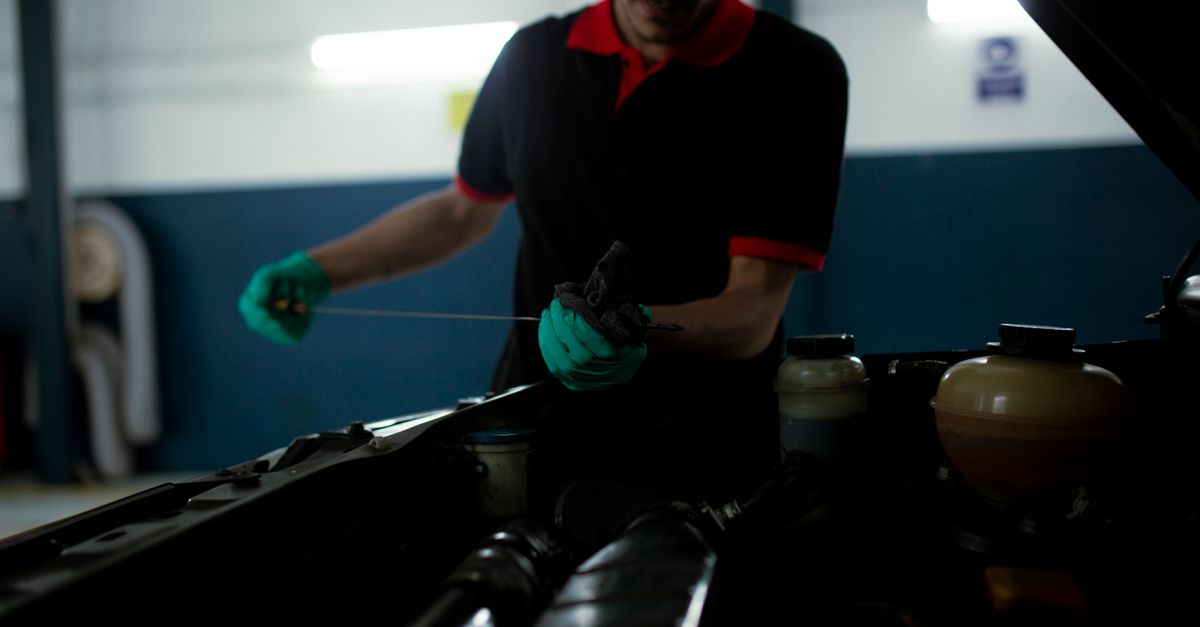
Your dealer’s maintenance reminder doesn’t always match what your owner’s manual says. Sometimes it’s two services apart and hundreds of dollars different. This guide decodes real mileage-based intervals from manufacturer specs, shows you what’s legitimate service and what’s dealer padding, and gives you a printable checklist you can actually use.
Most cars follow a predictable pattern: oil changes, filter swaps, fluid checks at set intervals. The problem is dealers often recommend extra services not in your owner’s manual, and skipping the real ones costs you thousands in repairs. Here’s how to tell the difference and keep your car running without overpaying.
What you’ll need
Tools:
- Your vehicle’s owner’s manual (PDF available on manufacturer website if you lost the paper copy)
- Maintenance record log (digital or paper)
Materials:
Prerequisites:
- Know your car’s make, model, year, and current mileage
- Understand whether you drive under “normal” or “severe” conditions (explained below)
Before you start
Check your owner’s manual first, not the dealer service reminder. The manual is the legally binding maintenance schedule backed by warranty protection. Dealer recommendations may include extras that aren’t in the manual—and you’re not required to do them for warranty coverage.
If you tow, drive mostly short trips under 10 miles, live in extreme heat or cold, or operate in dusty conditions, you’re under “severe duty” and need tighter intervals. Your manual has a separate schedule for this.
Mileage-based maintenance intervals: what to service at 30K, 60K, 90K
Here’s the standard maintenance matrix for mainstream vehicles (domestic and import). Your specific make and model may vary—always check your owner’s manual.
| Mileage | Service | Cost Range* | Notes |
|---|---|---|---|
| 3K–5K (conventional) or 7.5K–10K (synthetic) | Oil & filter change | $35–$75 (conventional) / $65–$125 (synthetic) | Check manual for YOUR interval. Synthetic extends drain cycles. |
| 15K | Tire rotation | $20–$40 | Often bundled free with oil change at dealers or independent shops. |
| 30K | Engine air filter | $50–$150 (shop) / $10–$30 (DIY parts) | Easy DIY on most cars. Inspect; replace if visibly dirty. |
| 30K | Cabin air filter | $30–$80 (shop) / $10–$20 (DIY parts) | Behind glovebox on most cars. Takes 5–10 minutes to swap. |
| 30K | Fluid level checks (coolant, brake, windshield washer) | $0 (DIY) / $50–$100 (dealer inspection) | High upsell risk. You can check these yourself in 5 minutes. Don’t pay for a “health inspection” unless something’s leaking. |
| 60K | Transmission fluid service (automatic) | $100–$300 | Check manual first. Some brands say “sealed for life” (skip it). Others recommend drain-and-fill at 60K. CVTs have different fluids and intervals. |
| 60K | Spark plugs (traditional) | $100–$300 | Modern iridium/platinum plugs last 100K–120K. Check manual before replacing early. |
| 90K | Coolant inspection | $0 (DIY visual) / $100–$200 (flush, if needed) | Many post-2010 vehicles use “lifetime” coolant (good to 100K–150K+). Do NOT flush unless manual says to—it removes protective inhibitors. |
| 90K | Brake inspection | $0 (DIY visual) / $50–$100 (shop) | Pad replacement if needed: $150–$400/axle. Brake wear is event-driven (city vs. highway), not strictly mileage-based. |
| 120K | Transmission fluid service (repeat) | $100–$300 | If manual recommends 60K interval and not “sealed for life,” repeat service. |
| 150K+ | Timing belt (if applicable) | $500–$2,000+ | Only on engines with timing belts (many modern cars use chains, which last 200K+). Check manual. Serpentine belt: $150–$400. |
Costs as of 2024 from independent shop averages. Dealer prices typically 20–40% higher. Sources: Kelley Blue Book Service Costs, Edmunds True Cost to Own.
Severe-duty adjustments
If you tow, drive frequent short trips, operate in dusty/sandy conditions, or live in extreme heat or cold, use these tighter intervals:
- Oil changes: Drop to 5K–7.5K even with synthetic
- Transmission fluid: Every 30K–40K instead of 60K
- Rear differential fluid (if towing): Every 30K–50K
- Air filter: Every 10K–15K in dusty regions
- Coolant: Service every 3 years instead of 5+ in extreme climates
Source: EPA/NHTSA Severe Duty Definition, manufacturer severe-use schedules.
Dealer maintenance vs. owner manual: spotting the upsell

Your owner’s manual is the legally binding schedule. It’s tested by the manufacturer and required for warranty coverage. Dealer service advisors often recommend extra services not in the manual—some are preventive, some are padding.
What the owner’s manual says (examples)
- Honda Civic (2020–2024): Oil every 10K miles (synthetic), spark plugs at 100K, CVT fluid every 30K. Honda Maintenance Schedule
- Toyota Corolla (2020–2024): Oil every 10K miles (synthetic), spark plugs at 120K, transmission “sealed for life.” Toyota Maintenance Schedule
- Ford F-150 (2020–2024): Oil every 10K miles (synthetic), spark plugs at 100K, differential service every 50K if towing. Ford Maintenance Schedule
What dealers often add (and the red flags)
| Dealer Recommendation | Owner’s Manual Says | Reality |
|---|---|---|
| “Transmission flush at 30K–50K” | 60K service or “sealed for life” | High upsell risk. Flush can dislodge debris; drain-and-fill is safer. If manual says 60K, wait. If it says “sealed for life,” skip it entirely. |
| “Coolant flush at 30K” | 100K or “lifetime” | Do NOT flush. Dealer trying to sell you something not needed. Early flush removes protective inhibitors. |
| “Fuel injector cleaning at 30K–60K” | No OEM interval listed | Nice-to-have if you use cheap gas; not critical. Cost: $100–$200. |
| “Engine carbon cleaning” | Not in any OEM schedule | Cosmetic; overstated benefit. Cost: $200–$500. Skip it. |
| “Air filter every 10K” | 15K–30K typical | Negotiable based on air quality. DIY is $10–$20. Don’t overpay at every visit. |
The rule: If the dealer recommends a service not in your manual at that mileage, ask them to show you where it says so in writing. If they can’t, it’s optional.
Car service checklist: what to actually do at each interval
Use this checklist to track what you’ve done and what’s coming. Print it, keep it in your glovebox, or screenshot it for your phone.
At every oil change (3K–5K or 7.5K–10K depending on oil type)
- Oil & filter change (required)
- Visual tire inspection (tread depth, pressure, uneven wear)
- Windshield washer fluid top-off
- Walk-around for obvious leaks (oil, coolant, brake fluid on ground)
Every 30K miles
- Engine air filter (inspect; replace if dirty)
- Cabin air filter (inspect; replace if dirty or musty smell)
- All fluid levels: coolant, brake, power steering, transmission (check, not service)
- Tire rotation (if not done at last oil change)
- Battery voltage/corrosion check (if battery is 3+ years old)
Every 60K miles (or per owner’s manual)
- All of 30K checklist
- Transmission fluid service (if manual recommends; check for “sealed for life”)
- Spark plugs (inspect or replace; traditional ≈60K, iridium/platinum ≈100K)
- Brake pads visual check (measure thickness; replace if under 3mm)
- Suspension inspection (clunks, uneven tire wear, loose joints)
Every 90K miles
- All of 60K checklist
- Coolant inspection (color, condition; do NOT flush unless manual says to)
- Brake fluid condition (should be clear; if dark, consider flush per manual)
- Under-car inspection: hoses, belts, exhaust shield integrity
Every 120K miles
- Transmission fluid service (repeat if not “sealed for life”)
- Differential fluid service (if applicable; check manual)
- Suspension/steering components: bushings, tie-rod ends, ball joints (visual wear check)
150K+ miles
- Timing belt inspection (if engine has one; replace if recommended, usually $500–$2,000+)
- Serpentine belt condition (replace if cracked/frayed, ≈$150–$400)
- Transmission pan gasket inspection (minor leaks common after 150K)
- Cooling system hoses (replace if bulging or hardened)
DIY vs. professional split:
- DIY-friendly: Oil changes (if you have ramps/jack and oil disposal), air filters, fluid level checks, tire rotation (if you have a jack and torque wrench).
- Professional-recommended: Transmission service, timing belt, suspension work, brake replacement (safety-critical; don’t DIY without training and proper tools).
Maintenance intervals explained: why they exist and what changes them
Maintenance intervals are based on EPA emissions durability testing and manufacturer warranty requirements. OEMs publish conservative schedules they’ve tested and will stand behind—if you follow them, warranty claims are covered.
Why intervals vary by vehicle
- Engine design: Turbocharged engines often need tighter oil intervals. Diesel engines have different filter and DEF schedules.
- Transmission type: CVTs, traditional automatics, and manuals all have different fluid specs and service needs. CVT fluid is NOT compatible with regular ATF.
- Emission systems: Catalytic converters and oxygen sensors are rated for 100K–150K under EPA test conditions. NHTSA Emission Standards
- Driving patterns: Highway miles are easier on cars than city stop-and-go. Short trips under 10 miles don’t let the engine reach full operating temperature, which accelerates oil degradation.
Severe duty: when you need tighter intervals
You’re under severe duty if you:
- Tow a trailer regularly
- Drive mostly short trips (under 10 miles per trip)
- Operate in dusty, sandy, or salty conditions
- Live in extreme heat (desert) or extreme cold (northern snow belt)
- Spend a lot of time idling (police, delivery, taxi use)
What changes:
- Oil: 5K–7.5K instead of 7.5K–10K
- Transmission: 30K–40K instead of 60K
- Differential (if towing): 30K–50K instead of 150K+
- Air filter: 10K–15K instead of 30K
- Coolant: Every 3 years instead of 5+ in extreme climates
Source: Manufacturer severe-use schedules (Toyota, Ford, Honda all publish separate “severe duty” intervals).
What varies and what to watch for

Oil type cascades through your schedule
Synthetic oil extends drain intervals to 7.5K–10K miles vs. 3K–5K for conventional. Using conventional oil when your manual specifies synthetic will shorten engine life and may void warranty. Using synthetic when conventional is specified is fine—you’re just overpaying slightly.
Transmission “sealed for life” is real for some brands, myth for others
- Honda, Toyota (many models): Truly sealed. Do not service unless there’s a problem.
- Ford, Chevrolet, Subaru (most models): Recommend 60K service despite “lifetime” marketing.
- CVTs (Nissan, many Hondas): Have specific fluid; NOT universal ATF. Check manual for interval.
Flush vs. drain-and-fill: Drain-and-fill is safer. High-pressure flushes can dislodge debris and cause shifting problems. If a dealer pushes a flush, ask if they can do a drain-and-fill instead.
Source: ATRA (Automatic Transmission Rebuilders Association), manufacturer manuals.
Coolant “lifetime” is real on post-2010 vehicles
Pre-2010 cars needed coolant service every 30K–50K. Post-2010 vehicles from most brands use extended-life coolant rated to 100K–150K+. Flushing early removes protective inhibitors and can actually shorten coolant life. If your manual says “lifetime,” trust it—don’t let a dealer pressure you into a 30K flush.
Brake service is event-driven, not mileage-driven
Brake pads wear anywhere from 25K to 70K miles depending on:
- Driving style: Gentle braking = longer life. Hard city braking = shorter.
- Terrain: Mountain/hill driving wears pads faster.
- Pad material: Ceramic lasts longer than semi-metallic.
Inspect brake thickness at every tire rotation. Replace when pads are under 3mm. Rotors: inspect for scoring or warping; replace if needed (adds $150–$300/axle).
Brake fluid: Replace every 2 years or per manual interval. Fluid absorbs moisture over time, which lowers boiling point and reduces braking power.
DIY eligibility and safety
Safe to DIY (if you have tools and disposal plan):
- Oil changes
- Air filter swaps (engine and cabin)
- Spark plugs (on accessible engines)
- Tire rotation (if you have a jack and torque wrench)
Professional-only (safety-critical or specialty tools required):
- Transmission service
- Brake pad/rotor replacement (unless you’re trained and have proper bleed equipment)
- Suspension/steering work
- Timing belt replacement
Never DIY brakes or steering without proper training. If something fails, it’s a safety risk to you and others on the road.
Regional factors
- Snow belt (salt roads): Undercarriage rust accelerates. More frequent under-car inspections recommended.
- Desert (dust, extreme heat): Air filter replacements more frequent. Coolant and battery life may shorten.
- Humid/tropical: Cabin air filter can grow mold; replace more often if you smell mildew.
What skipping maintenance really costs
Skipping oil changes, ignoring fluid intervals, or delaying critical services doesn’t save money—it just moves the bill to a bigger, more expensive repair later.
Missed oil change:
- Result: Sludge buildup, reduced lubrication, accelerated wear.
- Cost: Engine rebuild $3,000–$10,000 vs. $65–$125 oil change.
Missed transmission service (if recommended in manual):
- Result: Clutch pack wear, shifting problems, potential failure after 100K.
- Cost: Transmission rebuild/replacement $2,000–$6,000 vs. $100–$300 service.
Skipped spark plugs after 100K:
- Result: Rough idle, poor fuel economy, misfires, potential catalytic converter damage.
- Cost: Catalytic converter replacement $1,000–$2,500 vs. $100–$300 spark plug service.
Brake neglect:
- Result: Reduced braking power, rotor damage (turns $150 pad job into $400+ pads + rotors), safety risk.
- Cost: Full brake job $400–$800/axle vs. $150–$400 pad replacement.
Source: J.D. Power long-term reliability data, manufacturer warranty claim patterns.
Bottom line: Follow your manual. Skipping scheduled maintenance to “save” $200 can cost you $3,000+ in repairs and void your warranty.
Troubleshooting
Problem: Dealer says I need a service not listed in my manual at this mileage.
Ask them to show you in writing where the manufacturer recommends it. If it’s not in your owner’s manual, it’s optional. You can decline without voiding warranty.
Problem: My manual says “sealed for life” transmission, but I’m at 100K and shifting feels rough.
“Sealed for life” assumes normal driving. If you tow, drive in extreme heat, or have 100K+ miles and notice shifting issues, a drain-and-fill may help. Get a second opinion from an independent transmission shop—not a dealer trying to upsell a flush.
Problem: I lost my owner’s manual and don’t know my intervals.
Download the PDF from your manufacturer’s website. Toyota, Ford, Honda, and most brands host free PDFs by year and model. If you can’t find it, call the dealer parts department and ask for the maintenance schedule—they’ll email it.
Problem: I’m not sure if I drive under “severe” or “normal” conditions.
If any of these apply, you’re severe duty:
- You tow regularly
- Most trips are under 10 miles
- You drive in dusty, sandy, or salty conditions
- You live in extreme heat or cold
- You idle a lot (delivery, police, taxi use)
If none apply and you mostly highway-commute, you’re normal duty.
When to call a professional
Even if you’re comfortable with DIY oil changes and filter swaps, some services require specialty tools, safety equipment, or professional training:
- Transmission service: Requires correct fluid type, fill procedure, and sometimes specialty tools. Drain-and-fill is safer than flush; let a pro handle it.
- Timing belt replacement: Interference engines can suffer catastrophic damage if the belt breaks or is installed wrong. This is a $500–$2,000+ job; don’t risk it.
- Brake work: If you don’t have a brake bleeder, torque wrench, and experience bleeding hydraulic systems, let a shop do it. Brake failure is a safety risk.
- Suspension/steering components: Ball joints, tie-rod ends, and bushings require alignment after replacement. DIY only if you have alignment equipment or plan to pay for an alignment afterward.
If you’re unsure, get a second opinion from an independent shop. A good mechanic will tell you what’s urgent and what can wait.
FAQ
Should I follow the dealer’s maintenance schedule or the owner’s manual?
Owner’s manual, always. It’s the legally binding schedule backed by warranty protection. Dealer recommendations may include extras not required by the manufacturer. If the dealer recommends a service not in your manual at that mileage, ask them to show you in writing where the manufacturer says so. If they can’t, it’s optional.
What maintenance do I need at 30K, 60K, 90K miles?
At 30K: engine and cabin air filters, tire rotation, fluid level checks. At 60K: transmission fluid service (if manual recommends), spark plugs (if traditional type), brake inspection. At 90K: coolant inspection (do NOT flush unless manual says to), brake fluid condition check, under-car inspection. Always check your specific manual—intervals vary by make and model.
How much does a scheduled service cost?
Oil change: $35–$75 (conventional) or $65–$125 (synthetic). 30K service (filters, rotation, inspection): $150–$300. 60K service (transmission, spark plugs, brakes): $300–$600. 90K service (coolant, fluids, inspection): $200–$400. Dealer prices run 20–40% higher than independent shops. Costs vary by region and vehicle. Sources: KBB, Edmunds.
Can I do my own oil change?
Yes, if you have a jack or ramps, drain pan, correct oil and filter, torque wrench, and an oil disposal plan (most auto parts stores and quick-lube shops accept used oil for free). Check your manual for oil type and capacity. If you use synthetic, drain intervals are 7.5K–10K instead of 3K–5K for conventional.
What happens if you don’t follow the maintenance schedule?
Skipping oil changes leads to sludge and engine damage ($3,000–$10,000 rebuild). Skipping transmission service (if recommended) risks shifting problems and failure ($2,000–$6,000 rebuild). Skipping spark plugs after 100K causes misfires and potential catalytic converter damage ($1,000–$2,500). Skipping brake maintenance reduces braking power and can cause rotor damage (turns $150 job into $400+ job). You may also void your warranty if you can’t prove you followed the schedule.
What’s the difference between maintenance and repair?
Maintenance is preventive—oil changes, fluid checks, filter swaps—to keep the car running as designed. Repair is fixing something that broke or wore out—replacing a failed alternator, fixing a coolant leak, replacing worn brake pads. Maintenance is scheduled by mileage or time. Repair is event-driven (something fails). Skipping maintenance often turns into more expensive repair.
Your owner’s manual is the source of truth. Dealer recommendations aren’t always wrong, but they’re not always necessary either. Check your manual first, know your driving conditions, and don’t pay for services you don’t need. If you’re unsure about a recommendation, get a second opinion from an independent mechanic.
Print this checklist, track your services, and keep your receipts. A complete maintenance record adds resale value and proves warranty compliance if you ever need a claim.
General information, not professional mechanical or financial advice. For your specific vehicle, consult your owner’s manual and a qualified mechanic.