

A clogged engine air filter drops your fuel economy by 1-3%, according to EPA testing data. On a car averaging 25 mpg, that’s 0.25 to 0.75 mpg lost. Drive 12,000 miles a year and you’re burning an extra $50-$150 in gas—five times what the filter itself costs. Most drivers replace their air filter at a shop and pay $60-$100 for a 5-minute job. Here’s the schedule, the math, and the DIY steps.
Changing your engine air filter is the easiest maintenance task you can do yourself. No tools required on most vehicles, and you’ll know within 10 minutes whether your filter is clogged or if the shop’s “air filter inspection” is padding the bill.
What you’ll need
Tools:
- None for most vehicles
- Phillips screwdriver (some models)
Materials:
- Replacement air filter ($15-$60 depending on vehicle and filter type)
- Dry cloth or shop towel
Prerequisites:
- Your vehicle’s owner’s manual (for filter location and replacement interval)
- Ability to pop the hood
When to replace: schedule and signs
Your owner’s manual lists the baseline interval—typically 15,000 to 30,000 miles or annually, whichever comes first, per manufacturer guidance from Toyota, Honda, and Ford service schedules. But the actual replacement point depends on where and how you drive.
Severe conditions cut the interval in half:
- Dusty or unpaved roads: every 5,000-10,000 miles
- Construction zones or high-pollen areas: every 7,500-12,000 miles
- Desert or sandy climates (Arizona, California Central Valley): every 5,000-10,000 miles
Clean-air highway driving extends it:
- Mostly highway miles in low-dust regions: up to 30,000 miles
Physical signs your filter is clogged:
- Visible dirt, debris, or discoloration when you open the air box
- Rough idle at startup
- Reduced fuel economy (track this; a sudden 5-10% drop may signal restriction)
- Check Engine light with a Mass Air Flow (MAF) sensor code—air restriction can confuse the MAF
The mechanic’s trick for climate assessment: pull your filter at 10,000 miles and check the color. Light brown dust is normal highway grime. Red, orange, or heavy gray dust means you’re in a severe-duty environment—halve your interval going forward.
Air filter types explained
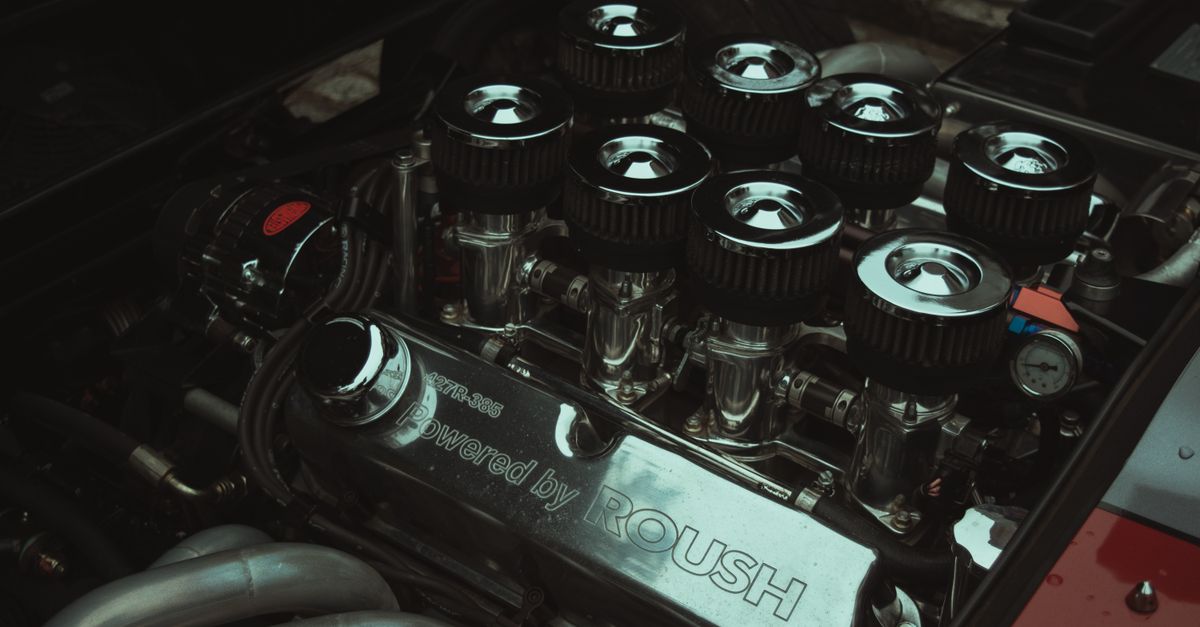
Not all air filters are single-use, and knowing the difference changes your cost math over the life of the vehicle.
Pleated paper (most common):
- Disposable, not cleanable
- Typical lifespan: 12,000-15,000 miles
- Cost: $15-$50
- Best for: Standard replacement intervals, most drivers
Cotton/oiled (performance/reusable):
- Cleanable every 25,000 miles; full replacement every 50,000-100,000 miles
- Initial cost: $40-$120
- Ongoing cost: $10-$15 for cleaning kit
- Best for: Long-term ownership (75,000+ miles); offsets higher upfront cost by eliminating 5-7 paper filter purchases
Synthetic media (newer OEM option):
- Extended life: 15,000-30,000 miles
- Cost: $25-$60
- Best for: Extended service intervals; some manufacturers spec these for severe-duty use
Cost per 1,000 miles over 75,000 miles:
| Filter type | Total cost | Cost per 1,000 miles |
|---|---|---|
| DIY pleated paper (every 15k miles) | $150-$250 | $2.00-$3.33 |
| Shop pleated paper (every 15k miles) | $300-$500 | $4.00-$6.67 |
| DIY reusable cotton (cleaned 3×, replaced once) | $60-$135 | $0.80-$1.80 |
The reusable filter pays for itself by 50,000 miles if you clean it yourself. If you’re paying a shop $60-$100 every 15,000 miles for a paper filter, you’re spending $300-$500 over the same period—and that’s the upsell to watch. A shop selling you a “$60 premium filter” without explaining reusability is padding.
Step-by-step: changing your air filter
Time required: 5-10 minutes for most vehicles; 15-30 minutes for complex layouts (some Subarus, BMWs, Audis).
Step 1: Locate the air filter box
Pop the hood and look for a large black plastic housing near the front of the engine bay. It’s usually rectangular or cylindrical, with a large air intake hose running to the engine. Check your owner’s manual or a vehicle-specific forum if the location isn’t obvious.
Step 2: Open the air box
Most air boxes use metal spring clips (pull or flip to release) or 2-4 screws. Some hinge open; others lift off completely. No need to disconnect hoses unless the manual specifies it.
Step 3: Remove the old filter
Lift it straight out. Note the arrow on the filter frame—it shows airflow direction and must point toward the engine when you install the new one.
Step 4: Inspect and clean the box
Wipe out loose dust and debris with a dry cloth. Do not use compressed air; forcing air upstream can damage the MAF sensor, an expensive component that can cost several hundred dollars to replace.
Step 5: Insert the new filter
Match the airflow arrow direction—almost always toward the engine. The filter should seat flat; if it sits crooked, reposition it.
Step 6: Close the box and secure clips
Ensure all clips or screws are tight. A loose air box creates unfiltered air leaks, which confuse the engine’s sensors.
Step 7: Start the engine and verify
Listen for any loose rattling or hissing. If a Check Engine light appears immediately after replacement, you may have dislodged a sensor connector—open the box and check connections. False codes from a battery disconnect can be cleared by disconnecting the negative terminal for 30 seconds, but genuine MAF codes need diagnosis.
Cost breakdown: DIY vs. shop

DIY (filter only, 2024 averages):
- Pleated paper: $15-$50
- Reusable cotton: $40-$120 (plus $10-$15 cleaning kit every 25k miles)
- Synthetic media: $25-$60
Quick-lube shop:
- Total cost: $45-$85 (filter + labor)
- Labor markup: ~$40-$60 for 5-10 minutes
Dealership:
- Total cost: $60-$120 (filter + OEM markup + labor)
- Labor markup: ~$50-$80
Regional variation: Midwest and rural areas typically run 10-15% lower than coastal metro pricing. Source: Consumer Reports vehicle maintenance cost study.
The DIY savings are $40-$100 per service. Over 10 years and 120,000 miles (8 replacements at a 15,000-mile interval), that’s $320-$800 saved.
Troubleshooting common issues
Problem: Check Engine light after filter replacement
Cause: Loose MAF sensor connector or air box not fully sealed, creating an air leak.
Fix: Open the air box, check the MAF sensor connector (usually on the intake tube), reseat it, and ensure all box clips are secure. Clear the code with an OBD-II scanner or battery disconnect if it doesn’t self-clear after one drive cycle.
Problem: Rough idle persists after new filter
Cause: The filter wasn’t the issue—check for vacuum leaks, throttle body carbon buildup, or a failing MAF sensor.
Fix: Have a mechanic scan for MAF or intake system codes. A dirty filter is one possible cause of rough idle, not the only one.
Problem: New filter doesn’t fit properly
Cause: Wrong part number or aftermarket fitment issue.
Fix: Verify the part number against your owner’s manual or the old filter’s label. Some aftermarket filters have looser tolerances; OEM filters guarantee exact fit.
When to call a professional
If your air box requires removing other engine components (some turbocharged engines, luxury brands), and you’re not comfortable with mechanical disassembly, a shop visit is reasonable—but verify the labor quote first. Expect $40-$80 labor, not $100+.
If the Check Engine light is on before you start, have the codes scanned first. A MAF fault may require sensor replacement, not just a filter change, and misdiagnosis wastes money.
FAQ
How much does an air filter cost?
$15-$60 for the filter alone. Add $40-$100 in labor if you go to a shop. Reusable cotton filters cost $40-$120 upfront but can be cleaned and reused for 50,000-100,000 miles, offsetting the higher initial cost.
Can I reuse an air filter?
Only if it’s a cotton or oiled performance filter designed for cleaning. Disposable pleated paper filters cannot be cleaned—washing or blowing them out damages the media and reduces filtration. Check the filter label; if it says “cleanable” or “reusable,” follow the manufacturer’s cleaning instructions.
How do I know if my air filter is dirty?
Pull it out and hold it up to light. If you can’t see light through most of the pleats, it’s clogged. Other signs: visible dirt or debris, reduced fuel economy, or rough idle. If you’re at or past the scheduled interval (12,000-15,000 miles for most drivers), replace it regardless of appearance.
Is changing an air filter a DIY job?
Yes—it’s one of the easiest maintenance tasks. Most cars take 5-10 minutes, no tools required. If you can pop the hood and follow a diagram in your owner’s manual, you can do this.
What happens if you don’t change your air filter?
Fuel economy drops 1-3% (EPA data), power output decreases, and in severe cases, the MAF sensor can fault, triggering a Check Engine light. Long-term neglect can allow dirt into the engine, but filters rarely fail catastrophically—they just choke airflow and cost you money in wasted fuel.
If you’ve never done your own maintenance, this is the place to start. You’ll know within one attempt whether the shop’s “$75 air filter service” was legitimate or whether you just saved yourself $400 over the next five years. For the broader maintenance picture and where air filter replacement fits in your overall schedule, see Car Maintenance Schedule by Mileage: What’s Real vs. Upsell. If you’re ready to tackle the next easiest DIY job, How Often to Change Synthetic Oil (Not What the Dealer Says) walks through oil changes with the same cost-breakdown approach.
General information, not professional mechanical advice. Always defer to your vehicle’s owner’s manual for manufacturer-specific intervals and procedures. If you’re uncertain about any step, a 10-minute shop inspection costs little and removes guesswork.