

An oil change at the shop costs $75–150. Do it yourself and you’ll spend $25–50 on parts, pocketing $50–100 in labor savings for 30 minutes of work. Over a year, beginner jobs like air filters, wiper blades, and battery swaps can save you $200–500 in labor alone. But not every repair is safe to tackle at home. Strip a bolt or skip a safety step, and you’ll pay more than you saved.
This list covers seven DIY-friendly repairs that beginners can realistically handle, with honest difficulty ratings, real cost breakdowns, and clear lines for when to stop and call a mechanic. We’re not here to convince you that every job is simple — some aren’t. But the right repairs, done correctly, let you save money without risking your safety or your car.
1. Oil and Filter Change
Time: 30–45 minutes
DIY cost: $25–50 (oil + filter)
Shop cost: $75–150
Skill level: ⭐ Beginner
Savings: $50–100 per change
Changing your oil is the highest-return beginner maintenance job. Shops charge $50–100 in labor for a task that takes 30 minutes once you’ve done it twice. You need a drain pan, an oil filter wrench, a socket set, the correct grade and quantity of oil (check your owner’s manual), and a new filter that matches your vehicle. Pop the drain plug, let it flow, swap the filter, refill, and you’re done.
Safety note: Wait 5–10 minutes after shutdown before draining — hot oil burns. Never touch the muffler or exhaust. Dispose of used oil at a recycling center; most auto parts stores accept it free.
Common mistakes: Over-tightening the filter (hand-tight plus ½ turn is enough), mixing oil grades, forgetting to replace the crush washer on the drain plug. If the drain plug threads feel rough, stop immediately — cross-threading an aluminum oil pan is a $300+ repair. Car Maintenance Schedule by Mileage: What’s Real vs. Upsell covers full service intervals and synthetic vs. conventional oil.
2. Engine Air Filter Replacement
Time: 15–20 minutes
DIY cost: $15–30
Shop cost: $65–105
Skill level: ⭐ Beginner
Savings: $50–75 per replacement
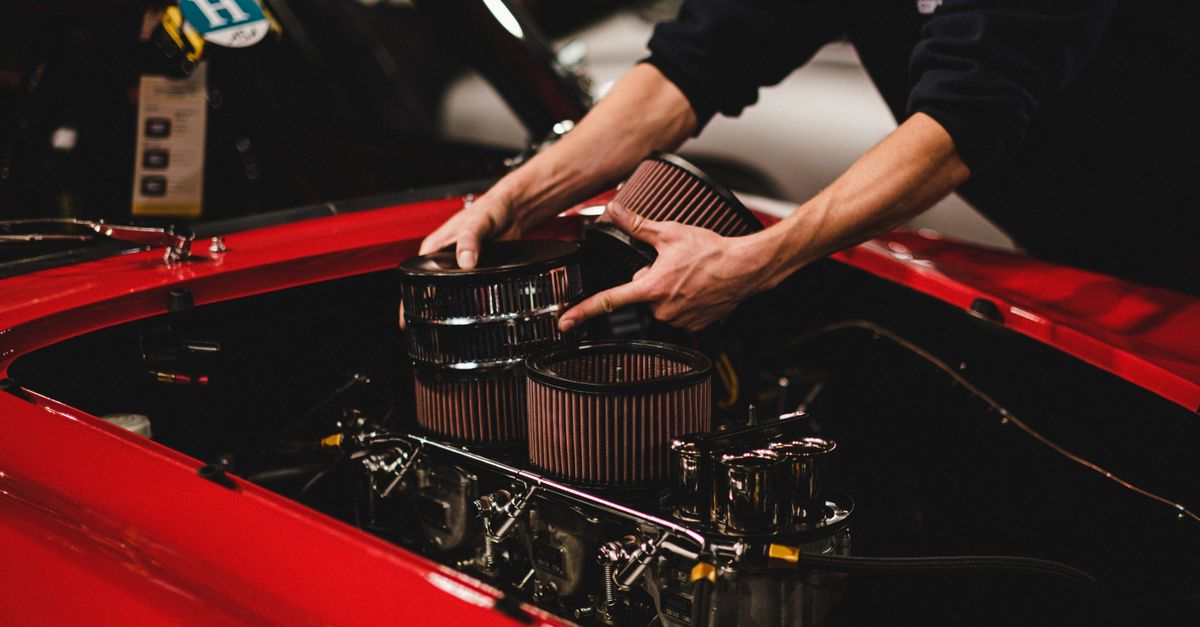
Shops mark up air filter labor because the job takes minutes. You open the air box (usually four clips or a few screws), pull out the old filter, drop in the new one, and close it back up. No special tools beyond a screwdriver in most cases. Match the filter to your vehicle’s year, make, and model — the box has a fitment guide.
Common mistakes: Forcing the filter in backwards (airflow direction matters), leaving debris in the air box before installing the new filter, forgetting to latch the clips fully (unfiltered air causes engine damage over time). Check every 15,000 miles or annually, more often if you drive dusty roads.
3. Wiper Blade Replacement
Time: 10–15 minutes
DIY cost: $15–40 (both blades)
Shop cost: $15–70 (labor markup)
Skill level: ⭐ Beginner
Savings: $0–55
This is more about confidence-building than cost savings, but it’s a good first repair. Lift the wiper arm, press the tab on the old blade to release it, slide the new blade onto the arm hook, and snap it in place. Driver and passenger blades are often different sizes — check both before buying.
Common mistakes: Bending the arm (it’s spring-loaded and can snap back onto the windshield), buying the wrong size, not testing the new blade before leaving the parts store. Test the wipers before driving in rain — a loose blade at highway speed is a visibility problem.
4. Car Battery Replacement
Time: 30 minutes–1 hour
DIY cost: $100–200 (with core charge refund)
Shop cost: $150–300
Skill level: ⭐ Beginner (with caution)
Savings: $50–150
Swapping a dead battery is straightforward if you follow the correct sequence. Disconnect the negative terminal first, then the positive. Remove the hold-down bracket (usually one or two bolts), lift out the old battery, set the new one in place, reconnect positive first then negative, and secure the bracket. The core charge (usually $10–20) is refunded when you return the old battery.
Safety note: Never cross the terminals with a wrench — you’ll short-circuit the battery and risk fire or explosion. Wear gloves and safety glasses. If your vehicle has a security system or computer-controlled features, consult the owner’s manual for the battery replacement sequence — some cars lose radio presets or need a security code re-entry after disconnection.
Common mistakes: Wrong battery group size (won’t fit or charge correctly), over-tightening the hold-down bracket (cracks the case), reversing terminal order on removal and installation. If terminals are corroded, clean them with a wire brush and baking soda solution before installing the new battery.
5. Cabin Air Filter Replacement
Time: 15–30 minutes
DIY cost: $20–40
Shop cost: $70–115
Skill level: ⭐ Beginner
Savings: $50–75
The cabin air filter cleans the air entering your HVAC system. It’s usually behind the glove box or under the dashboard. Pop the glove box out (most have a latch or pin on each side), pull the old filter from its housing, slide the new one in with the airflow arrow pointing the correct direction, and snap everything back. Some vehicles use clips instead of latches — check a model-specific video if the glove box doesn’t drop easily.
Common mistakes: Installing the filter backwards (the arrow indicates airflow direction), not removing all the old filter before inserting the new one (it can tear if clogged), forcing the glove box instead of releasing the side pins. Replace every 15,000–25,000 miles or when you notice weak airflow or musty vent odors.
6. Spark Plug Replacement (4-Cylinder, Standard Access)

Time: 1–1.5 hours
DIY cost: $40–80 (plugs only)
Shop cost: $140–230
Skill level: ⭐⭐ Intermediate
Savings: $60–150
Spark plugs are high-labor-markup jobs — shops charge 1–2 hours’ book time depending on engine layout. If you have a straightforward 4-cylinder with easy access, this is worth tackling. Remove one ignition coil or spark plug wire at a time, unscrew the old plug with a spark plug socket, check the gap on the new plug (usually pre-gapped, but verify with a gap tool), apply a small amount of anti-seize to the threads (especially on aluminum heads), thread the new plug in by hand, then tighten. Repeat for each cylinder, reconnecting coils or wires in the same order.
Safety note: Engine must be cold. Never work on a hot engine — you’ll burn yourself on the exhaust manifold. Disconnect one coil or wire at a time and label them if necessary. Installing them in the wrong order causes misfires or a no-start.
Common mistakes: Wrong gap (rough idle or misfires), cross-threading the plug (strips the head — $500+ repair), over-tightening (cracks the insulator), installing coils in the wrong cylinder order. If your engine is turbocharged, has tight access, or is a V6/V8 with plugs buried under the intake manifold, this job balloons to 2–3 hours and might not be worth your time. Search “[your year/make/model] spark plug replacement” on YouTube before committing.
7. Brake Pad Replacement (Front, Simple Caliper Design)
Time: 1–2 hours
DIY cost: $80–150 (pads; add $100–300 if rotors needed)
Shop cost: $230–400 (pads + labor)
Skill level: ⭐⭐ Intermediate
Savings: $80–200
DIY vs mechanic call: This is the line.
Brake pads wear out every 25,000–70,000 miles depending on driving style and pad material. Replacing them yourself saves significant labor, but this is a safety-critical system and the first job on this list where a mistake can injure you or others. You’ll need a jack, jack stands (never work under a car supported only by a jack), a socket set, a C-clamp or caliper compression tool, and new pads that match your vehicle. Remove the wheel, unbolt the caliper (usually two bolts), compress the caliper piston to make room for thicker new pads, swap the pads, and reassemble.
Safety note: If you’re uncertain at any step, stop and take the car to a shop. Brake failure is not a learning opportunity. Use jack stands — jack failure kills. Compressed brake fluid is caustic; wear gloves and safety glasses. Do not disconnect the brake line unless you’re prepared to bleed the system afterward (a separate, more complex job).
Common mistakes: Over-compressing the caliper piston (damages seals), installing pads backwards (metal backing plate against rotor instead of friction material), not checking rotor thickness (rotors below minimum spec must be replaced — they’re a wear item), forgetting to pump the brake pedal after reassembly (first press will go to the floor). If the rotor surface is scored, warped, or measures below the minimum thickness stamped on the rotor itself, replace it. Thin rotors are a safety risk.
When to stop and call a pro: If the caliper bolts are seized, if you see brake fluid leaking, if the pads are stuck to the rotor, if the rotor wobbles, or if you’re not confident using jack stands, stop and call a mechanic. This job is at the edge of beginner-safe DIY. Many experienced DIYers still take brake work to a shop for liability and peace of mind. If you do the work, test the brakes in a safe area (empty parking lot) at low speed before driving in traffic.
How we ranked these
We prioritized jobs with the highest labor-to-complexity ratio — repairs where shops charge $50–150 in labor for 15–60 minutes of actual work. Skill level reflects tool requirements, safety risk, and margin for error. We excluded anything involving fuel systems, transmissions, engine internals, or advanced electrical work (those are professional-only). Cost estimates are national averages; actual shop rates vary from $80–180/hour depending on region and dealer vs. independent shop. Use RepairPal or YourMechanic’s zip code tool for local pricing.
Frequently asked questions
Can I do basic car maintenance myself?
Yes. Oil changes, air filters (engine and cabin), wiper blades, and battery replacement are all beginner-safe if you follow your vehicle’s owner’s manual and use the correct parts. You’ll need basic tools (socket set, jack, stands, drain pan) and a clean workspace. These jobs typically save $50–150 per task in labor and take 15 minutes to 1 hour. Start with wiper blades or the cabin air filter to build confidence.
What car repairs should I never do myself?
Do not attempt fuel system work (fire/explosion risk), brake hydraulics beyond simple pad replacement (safety-critical and liability exposure), airbag or electrical systems involving the steering column (shock/fire risk), or transmission/engine internals (specialized tools required). NHTSA explicitly warns against DIY fuel, brake hydraulic, and airbag work for untrained owners. When in doubt, see a professional mechanic.
How much can I save doing car repairs myself?
Labor typically costs $100–200/hour at a shop. A 1-hour job like a battery swap saves $100–150 in labor; you still pay for parts. If you handle routine maintenance yourself (oil, filters, wiper blades, battery over 3–5 years), you can save $200–500 annually. Adding brake pads or spark plugs increases annual savings to $500–1,000, but those jobs require intermediate skill and safety precautions. Actual savings depend on your region’s labor rates and your vehicle’s service schedule.
What tools do I need to start doing my own car repairs?
A starter toolkit should include a 1/4” and 3/8” drive socket set, adjustable wrench, Phillips and flat-head screwdrivers, a hydraulic jack, two jack stands, an oil drain pan, an oil filter wrench, a flashlight, and work gloves. Budget $80–200 for quality entry-level brands like Craftsman or Husky. Add a spark plug socket, gap tool, and caliper compression tool if you plan to tackle plugs or brakes. Buy tools as you need them rather than all at once.
Is it worth learning to do car repairs myself?
Yes, if you have a safe workspace (flat surface, not a sloped driveway), the correct tools, and your vehicle’s owner’s manual. Routine maintenance and simple replacements are worth the time investment. No, if you lack those resources, don’t have time to stop mid-job, or are working on safety-critical systems without training. The risk of injury or property damage rises if you skip steps. Assess each job individually — not every repair is a good DIY candidate.
The jobs on this list are entry points, not the full scope of what’s possible once you’ve built experience. Start with an air filter or wiper blades. Move to oil changes and battery swaps. Save brake work for when you’re confident with jack stands and can follow a model-specific tutorial without cutting corners. The goal isn’t to never see a mechanic — it’s to handle the high-frequency, low-complexity jobs yourself and use your savings to pay a professional for work that genuinely requires one. more on car maintenance schedule by mileage: what’s real vs. upsell covers the full picture of what’s due when.
General information, not professional mechanical or financial advice. Always consult your vehicle’s owner’s manual and a qualified mechanic before attempting repairs, especially on safety-critical systems like brakes, fuel, or steering. Improper work can void your warranty, cause injury, or create liability. When in doubt, see a pro.