
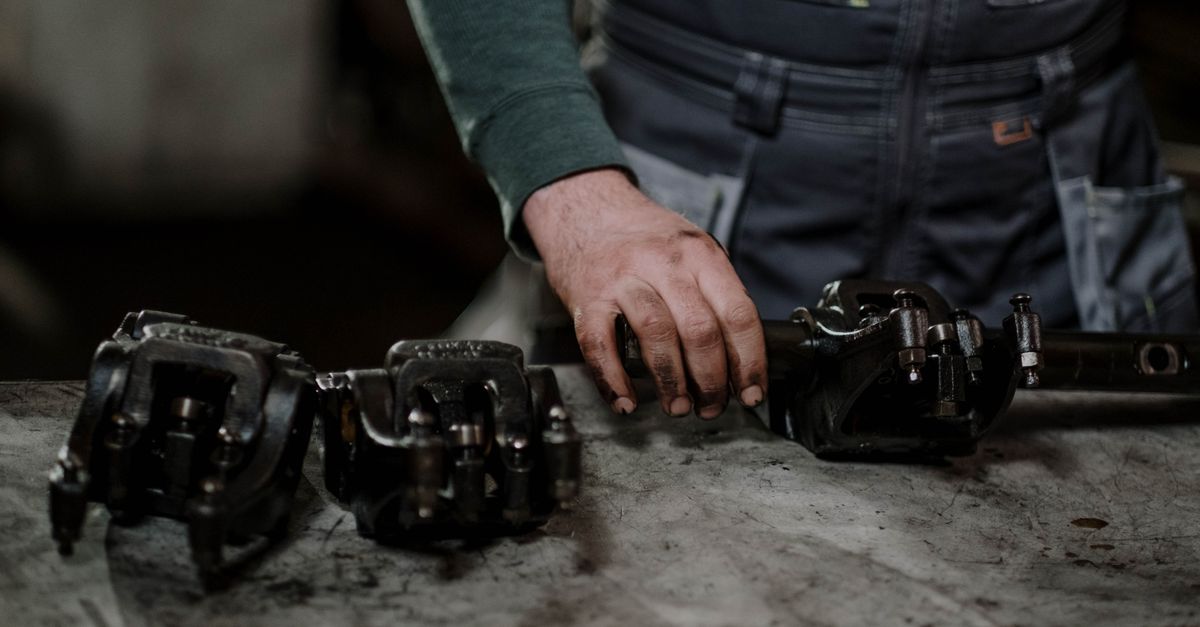
The OEM-versus-aftermarket question isn’t “which is better” — it’s “which parts can you safely buy aftermarket, and which ones will cost you more when they fail.” I’ve replaced parts on three EVs and two gas cars over the past decade, and the pattern is clear: filters and brake pads are safe aftermarket territory with 40–70% cost savings; fuel pumps and timing belts are not.
Quick verdict:
- OEM parts are the best choice for engine internals, transmission components, and fuel system parts where failure cascades into expensive repairs
- Top-tier aftermarket (Bosch, Denso, Brembo, Bilstein, ACDelco) is the best choice for consumables, brakes, and suspension where the brands match OEM supplier quality at 30–60% lower cost
- Budget aftermarket is the best choice for nothing critical; budget batteries show higher early-failure rates and budget brake pads wear 2–3× faster, erasing any savings
At a glance
| Part category | OEM cost | Top-tier aftermarket | Budget aftermarket | Failure-rate difference | Best buy |
|---|---|---|---|---|---|
| Brake pads (set) | $120–$250 | $40–$100 (Bosch, Akebono) | $25–$50 | Within 5% (top-tier); 2–3× faster wear (budget) | Top-tier aftermarket |
| Air/cabin filters | $30–$60 | $10–$25 (Fram, Bosch) | $5–$12 | Negligible for filters | Top-tier aftermarket |
| Battery | $150–$250 | $80–$150 (same CCA) | $50–$80 | Higher early failure rate (aftermarket) | OEM or top-tier with 3+ yr warranty |
| Alternator/starter | $300–$800 | $150–$400 (new or rebuilt) | $80–$200 (rebuilt) | Aftermarket electrical components involved in some warranty denials | OEM or rebuilt with 3+ yr warranty |
| Timing belt | $150–$300 | $60–$150 | $30–$80 | Failure = $2,000–$4,000 engine damage | OEM |
| Fuel pump | $200–$500 | $100–$250 (Bosch) | $50–$120 | Counterfeit risk; contamination voids injector warranty | OEM or Bosch only |
Cost data: Kelley Blue Book and Edmunds pricing surveys (2024–2025). Failure-rate data: Consumer Reports testing and NHTSA complaint database analysis.
Where aftermarket saves money safely
Consumables and maintenance items
Air filters, cabin filters, oil filters, spark plugs, wiper blades — these are the low-risk, high-savings category. You’re replacing them every 12–24 months anyway, they’re cheap to swap if something’s wrong, and none of them cascade into expensive damage when they wear out.
Cost savings: 30–60% compared to dealer OEM pricing. An OEM cabin filter runs $30–$60; a Bosch or Fram equivalent is $10–$25. Over five years of ownership, that’s $100–$150 saved on filters alone.
Reliability: Consumer Reports testing shows no meaningful difference in filtration performance between major aftermarket brands (Bosch, Fram, ACDelco) and OEM filters. The failure mode — a clogged filter — is obvious (reduced airflow) and cheap to fix (buy another filter).
Gotcha: Buy from established brands with a known supply chain. No-name filters from unknown suppliers occasionally have fit issues (wrong gasket size, collapse under vacuum). Stick with brands you recognize.
Brakes (pads and rotors)
Aftermarket brake pads from known suppliers perform within 5% of OEM on stopping distance and fade resistance, per Consumer Reports testing of Bosch, Akebono, and Wagner pads against Honda and Toyota OEM pads (2020–2024 test cycles). You’re paying $40–$100 for a set of aftermarket pads versus $120–$250 OEM — a 50–70% cost cut.
Rotors follow the same pattern: OEM runs $80–$150 per rotor; aftermarket equivalents (Brembo, Centric, Bosch) are $30–$80. The metallurgy and heat treatment are comparable for top-tier brands.
Caveat: Budget brake pads fail 2–3× faster in Consumer Reports wear testing. You save $20 up front and replace them twice as often. Worse, cheap pads can dust heavily or squeal — not a safety issue, but annoying.
Safety warning: Brakes are life-critical. If you’re uncertain about the brand or your mechanic’s recommendation, pay for OEM. The $80 premium is worth the confidence. For a deeper look at brake replacement timing and costs, see Brake Rotor & Pad Replacement: Cost + When You Need Both.
Lighting and glass
Aftermarket headlights, taillights, and windows are standard industry practice. OEM glass is rare outside of dealer body shops; most insurance-covered windshield replacements use aftermarket glass at 20–40% savings with no reliability penalty.
LED and HID headlight upgrades are almost always aftermarket (OEM LED headlights cost $400–$1,200 per assembly; aftermarket LED bulbs run $40–$150 for the pair). The catch: cheap LED bulbs from AliExpress or no-name suppliers often fail early or don’t aim correctly, blinding oncoming traffic. Buy from Philips, Osram, or a known lighting brand.
Where OEM carries real value

Engine internals (timing belt, head gasket, valve seals)
A timing belt costs $150–$300 OEM, $60–$150 aftermarket. The cost of being wrong: $2,000–$4,000 for an interference-engine rebuild when the belt snaps and the valves hit the pistons.
Aftermarket timing belts from unknown suppliers occasionally have tolerance mismatches (wrong tooth pitch, incorrect tensile strength spec). Counterfeit parts exist for popular models (Honda Civic, Toyota Camry). The OEM premium buys you certainty that the part matches the engine’s interference tolerances.
Same logic applies to head gaskets, valve seals, and piston rings. These parts touch oil and coolant, are expensive to access (8–12 hours of labor), and failure cascades into engine damage. Pay the 50–200% OEM premium or use a remanufactured part from a known supplier (Jasper, Ford Motorcraft). For head gasket symptoms and replacement costs, see more on head gasket replacement cost and symptoms.
Timing belt specifics: If you’re replacing the timing belt, you’re also replacing the water pump and tensioners — those are in the same failure-cascade category. See Timing Belt Replacement: Cost & Interval by Vehicle for interval and bundled replacement guidance.
Fuel system (fuel pump, injectors, fuel filter inside tank)
Fuel pumps and injectors are high-counterfeit-risk parts. A fake Bosch fuel pump (common on eBay and some online retailers) can fail within 6,000 miles, contaminate the fuel system, and void your injector warranty. Injector replacement runs $800–$2,000 when you include labor and testing.
Worked example of warranty risk: You replace the fuel pump with a $150 aftermarket unit (OEM is $350). It fails 18 months later and sends metal shavings into the fuel rail, damaging two injectors. The dealer quotes $1,200 to replace the injectors. Your warranty doesn’t cover it — the aftermarket fuel pump caused the secondary damage, so the warranty exclusion applies under Magnuson-Moss. Your $200 savings just became a $2,000+ repair.
OEM fuel pumps and injectors, or Bosch-branded parts from a verified supplier, are the safe play. The 40–150% cost premium is insurance against contamination and warranty denial.
Transmission components and suspension
Transmission torque converters, solenoids, and internal seals have tight tolerance specs that vary by model year. Aftermarket suppliers don’t always account for mid-generation transmission revisions (a 2019 transmission may have different solenoid specs than a 2021 with the same engine). Spec mismatches cause harsh shifting, slippage, or outright failure. A transmission rebuild costs $2,000–$4,000; paying $300–$500 for an OEM solenoid is cheap insurance.
Suspension parts (struts, control arms, ball joints) affect steering, handling, and ABS sensor alignment. Budget aftermarket struts wear out 20–30% faster than OEM (AAA roadside testing data). Some save cost by reducing damping capacity, which degrades handling and increases stopping distance on rough pavement. OEM or top-tier aftermarket (Bilstein, KYB, Monroe) is the safe range. Avoid unknown brands for control arms and ball joints — a failed ball joint is a loss-of-steering event.
The OEM supply-chain reality
Here’s the part most OEM-versus-aftermarket guides miss: “OEM parts” often come from the same Tier-1 suppliers that make aftermarket parts. Denso supplies alternators to Toyota OEM and also sells Denso-branded alternators through AutoZone. Bosch makes fuel injectors for Ford OEM and sells Bosch injectors aftermarket. Brembo manufactures OEM brake calipers for GM and sells Brembo-branded calipers to the performance aftermarket.
The OEM premium doesn’t always buy you a better design — it buys you tighter quality control, warranty coverage through the dealer network, and parts that have been tested in the specific vehicle configuration. Some OEM parts are binned (the supplier makes 1,000 alternators, the OEM tests them and accepts the 950 that pass tighter specs, the remaining 50 get sold aftermarket). Other times, the OEM and aftermarket parts are identical except for the box.
This doesn’t mean “all aftermarket is as good as OEM.” It means the aftermarket tier matters more than the OEM label. A top-tier Bosch alternator is functionally equivalent to the OEM Bosch alternator Ford sells. A no-name rebuilt alternator with a 90-day warranty is not.
How to evaluate an aftermarket part
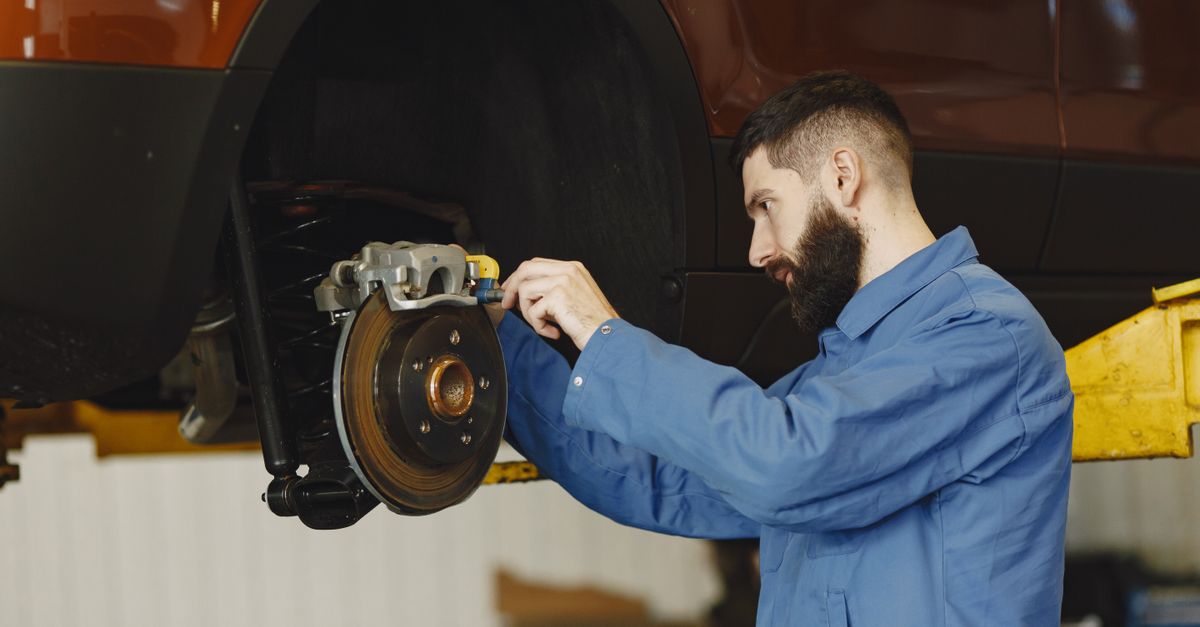
Before you buy aftermarket, ask these questions:
-
Who made it? If the brand is Bosch, Denso, Brembo, ACDelco, Bilstein, or another Tier-1 OEM supplier, the part is likely equivalent to OEM. If the brand is unknown or the seller won’t name the manufacturer, walk away.
-
What’s the warranty? Top-tier aftermarket parts carry 2–5 year warranties. Budget parts carry 90 days to 1 year. If the warranty is shorter than the OEM warranty, that’s the manufacturer telling you the part won’t last as long.
-
Does it match the spec exactly? For electrical parts (alternators, starters, batteries), match the voltage, amp-hour rating, and cold-cranking amps exactly. For brake parts, match the rotor diameter, pad thickness, and caliper piston count. “Close enough” causes premature wear or outright failure.
-
What happens if it fails? Read your vehicle’s warranty documentation. Some OEM warranties allow aftermarket parts as long as the part didn’t cause the failure; others void the warranty on the related system. The FTC’s Magnuson-Moss Warranty Act guidance protects you from blanket warranty denials, but proving the aftermarket part wasn’t the cause is your burden.
What varies by application
The same part can be safe aftermarket on one vehicle and risky on another. A truck used for towing has higher stress on the cooling system, transmission, and suspension — aftermarket parts rated for city driving may fail early under towing load. An EV has regenerative braking, which changes brake-pad wear patterns (longer life, less heat cycling); some aftermarket pads optimized for gas-car braking don’t perform as well in regen-heavy use.
Cost also varies 40–50% by region, dealer markup, and parts availability. A Honda OEM alternator in California costs 15% more than the same part in Texas due to dealer network pricing and shipping. Labor costs in metro areas run $120–$180/hour; rural areas run $80–$120/hour. Factor in total installed cost, not just the part price.
FAQ
Will aftermarket parts void my warranty?
Not automatically. The Magnuson-Moss Warranty Act (federal law) prevents manufacturers from voiding your entire warranty because you used an aftermarket part. However, if the aftermarket part causes damage to a related system — say, a failed aftermarket fuel pump contaminates your injectors — the manufacturer can refuse to cover the secondary damage. The warranty on the component you replaced (the fuel pump) is void; the rest of the vehicle warranty remains intact unless the failure is directly linked.
How much cheaper are aftermarket parts?
Consumables and brakes: 30–70% cheaper. Electrical parts (alternators, starters): 30–80% cheaper. Engine internals and transmission parts: 40–200% cheaper, but the risk-to-savings ratio often doesn’t justify it. Cost spreads vary by part complexity, brand, and region — see the cost table above for specifics.
Can you mix OEM and aftermarket parts?
Yes, as long as the specs match. Don’t mix incompatible fluids (different brake fluid DOT ratings, different coolant types, different transmission fluid specs) — that damages seals and causes corrosion. For hard parts (alternators, filters, brake pads), mixing OEM and aftermarket is safe if each part meets the vehicle’s spec.
What parts should I never buy aftermarket?
Timing belts, fuel pumps, fuel injectors, transmission solenoids, and any engine-internal part where failure cascades into expensive damage. The cost of being wrong exceeds the savings. For everything else, top-tier aftermarket is a safe bet.
The decision: Aftermarket parts aren’t universally good or bad — the category, brand tier, and your risk tolerance determine the right call. I run top-tier aftermarket brakes and filters on all three of my vehicles; I pay for OEM timing belts and fuel pumps. The data backs that split, and my wallet and reliability record both agree.
If you’re replacing brakes soon, the brake-pad guide walks through the replacement interval and cost breakdown. For engine internals like timing belts and head gaskets, see the timing-belt and head-gasket guides for interval guidance and failure warning signs.
General information, not professional mechanical or financial advice. Part reliability, cost, and warranty coverage vary by vehicle make, model year, driving conditions, and supplier. Verify specs and warranty terms before replacing critical components.