

You sign the papers, drive off the lot, and suddenly you’re not just making a monthly car payment. There’s insurance. Gas. Registration. Then the brakes need work. Six months in, you realize the sticker price was just the down payment on a five-year relationship with your wallet.
The short answer
Owning a mid-size sedan costs $7,350 to $9,200 per year on average, or roughly $37,000 to $46,000 over five years. Depreciation (your car loses 50–60% of its value by year five) takes the biggest bite, followed by insurance, fuel, and maintenance. Most buyers budget for the payment and forget the rest.
What’s included in the real cost of car ownership per year
When AAA and Edmunds calculate ownership costs, they count everything you actually pay to keep the car on the road. Here’s the breakdown for a $30,000 mid-size sedan owned for five years:
| Cost category | Annual cost | Notes |
|---|---|---|
| Depreciation | $3,000–$3,600 | Straight-line over 5 years; year 1 is highest |
| Insurance | $1,500–$2,000 | Full coverage; varies by age, location, record |
| Fuel | $1,400–$1,600 | 10,500 mi/yr, 28 MPG combined, $3.50/gal |
| Maintenance & repairs | $1,100–$1,400 | Oil changes, brakes, tires; higher after warranty |
| Registration & taxes | $150–$300 | State-specific; California and New York higher |
| Tires (amortized) | $200–$300 | One replacement set over 4 years |
| Total per year | $7,350–$9,200 | Excludes loan interest |
Sources: AAA 2024 vehicle ownership cost study and Edmunds True Cost to Own.
Luxury vehicles add $1,500 to $3,000 annually. EVs cut fuel and maintenance costs by roughly $1,200 per year but offset some of that with higher upfront prices and insurance premiums.
The depreciation cliff — why it’s the biggest number
Depreciation is the silent killer. Your car loses 15–20% of its value the moment you drive it off the lot. By year five, it’s worth 40–50% of what you paid. On a $30,000 sedan, that’s $15,000 to $18,000 gone even if you never crash or skip an oil change.
Here’s the pattern:
- Year 1: 15–20% loss (new-car premium evaporates)
- Years 2–5: 10–15% per year (wear, mileage, market shifts)
What accelerates it: luxury brand (BMW, Mercedes drop to 40–50% by year five), high mileage (15,000+ mi/yr), accident history, poor maintenance records.
What slows it: Toyota/Honda reliability reputation (55–60% retained value), low mileage, CPO status if reselling, clean Carfax.
You don’t write a check for depreciation, but it’s real cost. When you trade in or sell, that $30,000 sedan brings you $12,000 to $15,000. The difference is what you paid to own it.
Source: Kelley Blue Book depreciation data and Edmunds five-year value projections.
The three pillars: depreciation, insurance, fuel
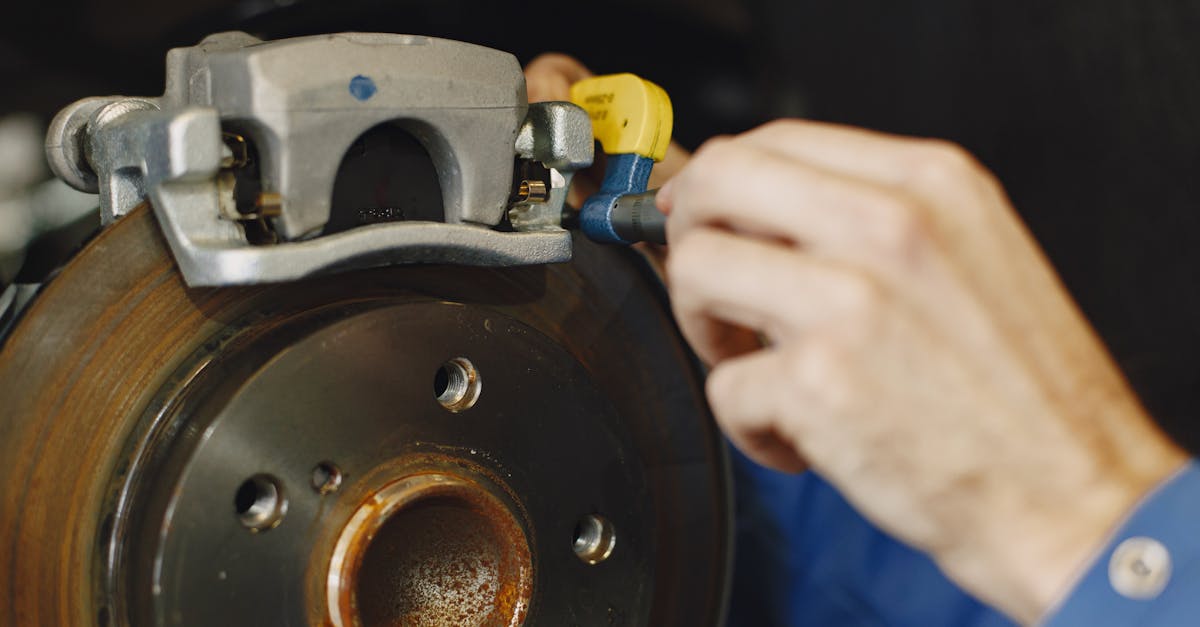
These three costs make up 75–80% of annual ownership expenses.
Depreciation
$3,000–$3,600/year for a $30,000 sedan. Non-negotiable unless you buy used and skip the year-one hit.
Insurance
National average: $1,500 to $2,000 per year for a 40-year-old driver with a good record, full coverage (liability + collision + comprehensive), $500 deductible.
What moves the needle:
- Age: Drivers under 25 pay 2–3× more; senior discounts exist but vary by carrier.
- Location: Urban zip codes cost 30–50% more than rural (theft, accident rates).
- Coverage type: Liability-only drops cost to $400–$800/year but won’t cover your car’s damage.
- Driving record: One at-fault accident raises premiums 20–40% for 3–5 years.
- Credit score: Many states allow credit-based pricing; poor credit adds $200–$600/year.
Shop your insurance every 1–2 years. Rates and discounts change. Loyalty doesn’t pay.
Source: Insurance Institute for Highway Safety.
Fuel
EPA estimates (2024, $3.50/gal):
- Sedan (28 MPG combined, 10,500 mi/yr): $1,400–$1,600/year
- SUV (22 MPG combined): $1,800–$2,200/year
- EV (5.0 mi/kWh, $0.15/kWh): $800–$1,000/year
Reality check: Real-world MPG runs 10–20% lower than EPA lab numbers. City driving, aggressive acceleration, and underinflated tires burn more fuel. Budget high if you’re mostly stop-and-go.
Gas prices fluctuate. In 2022, $5/gal doubled fuel costs. Today, $2.80–$3.50/gal is the working range.
Source: EPA FuelEconomy.gov.
Hidden car costs — what the dealer doesn’t mention
These aren’t secrets. Just easy to forget when budgeting.
Registration and taxes
Annual: $150 to $300 for most states. California and New York run $250 to $350. Texas is $50 to $120. Some states reduce EV fees; others add surcharges.
One-time (title, plates, first registration): $100 to $500.
Check your state DMV website for exact numbers. This is one cost you can nail down.
Tires
$600 to $1,200 per set (four tires, installation). Performance or winter tires run $1,200 to $2,000+. Tires last 3–5 years or 25,000–50,000 miles. Amortized: $200 to $300 per year.
You’ll replace them at least once in five years. Budget for it.
Maintenance and repairs
Years 1–3 (under warranty): Oil changes, tire rotations, air filters. $500 to $800 per year.
Years 4–5 (warranty expiring): Brake pads, transmission fluid, coolant flushes, battery. $1,500 to $2,500/year.
Year 6+ (out of warranty): Water pump, suspension, timing belt if applicable. $2,000 to $4,000/year.
AAA estimates 10–15% of annual ownership cost goes to maintenance. For a $10,000/year car, that’s $1,000 to $1,500. Luxury brands (especially German) push that higher.
Source: AAA 2024 study and manufacturer maintenance schedules via Edmunds.
Interest on your loan
If you finance $30,000 at 6.5% APR for 60 months with $0 down, you’ll pay $2,500 to $4,000 in interest over five years—$500 to $800 per year added to your true cost.
Cash buyers skip this. Most don’t pay cash.
The five-year cost to own — total out-of-pocket

Here’s what five years looks like for a $30,000 sedan, financed at 6.5%, no down payment:
| Cost category | 5-year total |
|---|---|
| Depreciation | $15,000–$18,000 |
| Insurance | $7,500–$10,000 |
| Fuel | $7,000–$8,000 |
| Maintenance/repairs | $5,500–$7,000 |
| Registration/taxes | $750–$1,500 |
| Tires | $1,000–$1,500 |
| Loan interest | $2,500–$4,000 |
| Total (5-year) | $39,250–$50,000 |
That’s $7,850 to $10,000 per year, all-in. Your monthly payment might be $550, but the true monthly cost is $650 to $830.
If you put $5,000 down and buy used to skip year-one depreciation, you can shave $3,000 to $5,000 off the total. But you’re still looking at $35,000 to $45,000 over five years.
Source: Edmunds five-year horizon calculations and AAA ownership model.
What changes these numbers for your situation
Vehicle class: SUVs and trucks cost $1,500 to $3,000 more per year (worse MPG, higher insurance). Luxury sedans add $2,000 to $4,000 (parts, depreciation, insurance).
Your location: Urban insurance is 30–50% higher. California registration fees double Texas’s. Gas prices vary by $0.50 to $1.00/gal regionally.
Your driving: 15,000 mi/yr instead of 10,500? Add $600 to $800/year in fuel and accelerate depreciation. Aggressive driving cuts MPG by 10–15%.
Lease vs. own: Leasing fixes depreciation risk but caps mileage (typical 10,000–12,000 mi/yr; $0.25–$0.35 per extra mile). Lease makes sense for 3-year cycles; own if you’re keeping it 5+ years.
EV ownership: Lower fuel ($800–$1,000/yr vs. $1,400–$1,600) and maintenance (no oil changes, brake pads last longer). But higher purchase price and depreciation concerns (battery anxiety). 2024 data shows EV depreciation stabilizing as the market matures. Federal tax credit ($7,500) available in 2025; state incentives vary.
Buy used: Avoid the year-one depreciation hit (15–20% loss). A 2-year-old car with 25,000 miles saves you $4,000 to $6,000 in depreciation but may add $500 to $1,000/year in repair risk once the warranty expires.
FAQ
How much does it cost to own a car per year?
For a mid-size sedan, $7,350 to $9,200 per year including depreciation, insurance, fuel, and maintenance. Luxury vehicles add $1,500–$3,000; EVs reduce fuel and maintenance by roughly $1,200 but offset with higher upfront cost.
What are hidden car ownership costs?
Registration/taxes ($150–$300/yr), tires ($200–$300/yr amortized), surprise repairs once the warranty ends ($1,500–$4,000 in year 5+), fluid changes, and loan interest ($500–$800/yr if financed). They’re not secrets—just easy to forget when budgeting.
How much does a car depreciate in five years?
50–60% of purchase price for most vehicles. A $30,000 sedan is worth $12,000–$15,000 by year five. Luxury brands lose 60–70%. Toyota and Honda hold 55–60%. High mileage, accidents, and poor maintenance accelerate the loss.
What’s the average cost of car insurance?
$1,500 to $2,000 per year for full coverage (liability, collision, comprehensive), 40-year-old driver, good record, $500 deductible. Age, location, coverage type, and driving record swing this by $500–$1,500. Shop every 1–2 years.
Is it cheaper to own or lease a car?
Own if you keep the car more than 3 years; the depreciation you absorb is offset by no mileage cap and no lease-end fees. Lease if you want predictable costs, always-under-warranty driving, and plan to replace every 2–3 years. Break-even is typically 3 years.
How much should I budget for car maintenance?
10–15% of annual ownership cost, or $1,100 to $1,400/year for a $10,000/year car. Years 1–3 (under warranty): $500–$800. Years 4–5: $1,500–$2,500. Year 6+: $2,000–$4,000. Budget more for luxury brands and older cars.
The true cost isn’t a secret. It’s just bigger than the payment. Depreciation, insurance, and fuel make up 75% of the total. The rest—maintenance, tires, registration—add up in years four and five when the warranty expires and reality sets in. Budget for all of it, not just the number the dealer shows you.
General information, not professional mechanical or financial advice. Costs vary by model, region, driving style, and personal circumstances. Consult your dealer or mechanic for model-specific maintenance estimates and your insurer for exact premium quotes.